
.jpg)
Hot and cold therapy has moved from ancient bathhouses and Nordic traditions into today’s wellness spaces for a reason. Alternating between heat and cold awakens the body in a way few other practices can. Muscles soften, breath deepens, and the mind grows quiet. Many wellness seekers are rediscovering how powerful temperature exposure can be when used intentionally and consistently.
At Altered States Wellness, hot and cold contrast therapy is designed as a guided experience that supports relaxation, circulation, and recovery in a calm, restorative setting. When practiced safely, contrast therapy offers a wide range of benefits that extend far beyond the session itself.
The Physiology Behind Hot and Cold Exposure
Temperature shifts create a measurable response in the body. Heat encourages vasodilation, which means blood vessels widen. Cold encourages vasoconstriction, where blood vessels narrow. Alternating between these states stimulates circulation as blood moves more efficiently through tissues.
This circulation response supports oxygen delivery and nutrient transport. Many people notice a sense of vitality after contrast therapy because tissues feel refreshed and energized. Muscles that felt tight begin to loosen with heat, then firm and awaken with cold exposure.
The nervous system also plays a central role. Heat often promotes relaxation by supporting parasympathetic activity, sometimes referred to as the “rest and digest” state. Cold exposure activates a more alert response. Moving between the two encourages balance. Over time, this can help the body adapt more comfortably to everyday stress.
Temperature contrast also influences heart rate variability, which is commonly associated with stress resilience and recovery capacity. People who practice regularly often report feeling calmer and more grounded outside the wellness space.
Circulation and Cardiovascular Support
Improved circulation is one of the most widely recognized benefits of hot and cold therapy. When blood vessels expand and contract in response to temperature, they create a natural pumping action. This gentle stimulation encourages blood flow throughout the body.
Enhanced circulation can leave skin looking vibrant and muscles feeling refreshed. Warmth brings oxygen-rich blood to the surface, creating a healthy glow. Cold exposure then helps tone the vessels and reduce temporary puffiness.
Cardiovascular response during contrast therapy can feel invigorating. Heart rate rises slightly with heat, then adjusts during cold immersion. Many people describe this cycle as energizing without feeling overstimulated.
Current wellness research continues to explore how regular sauna use may be associated with cardiovascular health markers in certain populations. It is important to approach these findings responsibly and recognize that hot and cold therapy is a supportive wellness practice, not a medical treatment. Those with underlying conditions should consult a qualified healthcare provider before beginning any new regimen.
Muscle Recovery and Physical Performance
Athletes have long relied on contrast therapy to support recovery. Heat helps muscles relax by increasing blood flow and flexibility. Cold exposure can create a refreshing sensation that many interpret as soothing after intense activity.
After physical exertion, alternating temperatures may help the body feel restored. The pumping action of vessels encourages circulation through fatigued areas. Many individuals find that soreness feels reduced and mobility improves following a session.
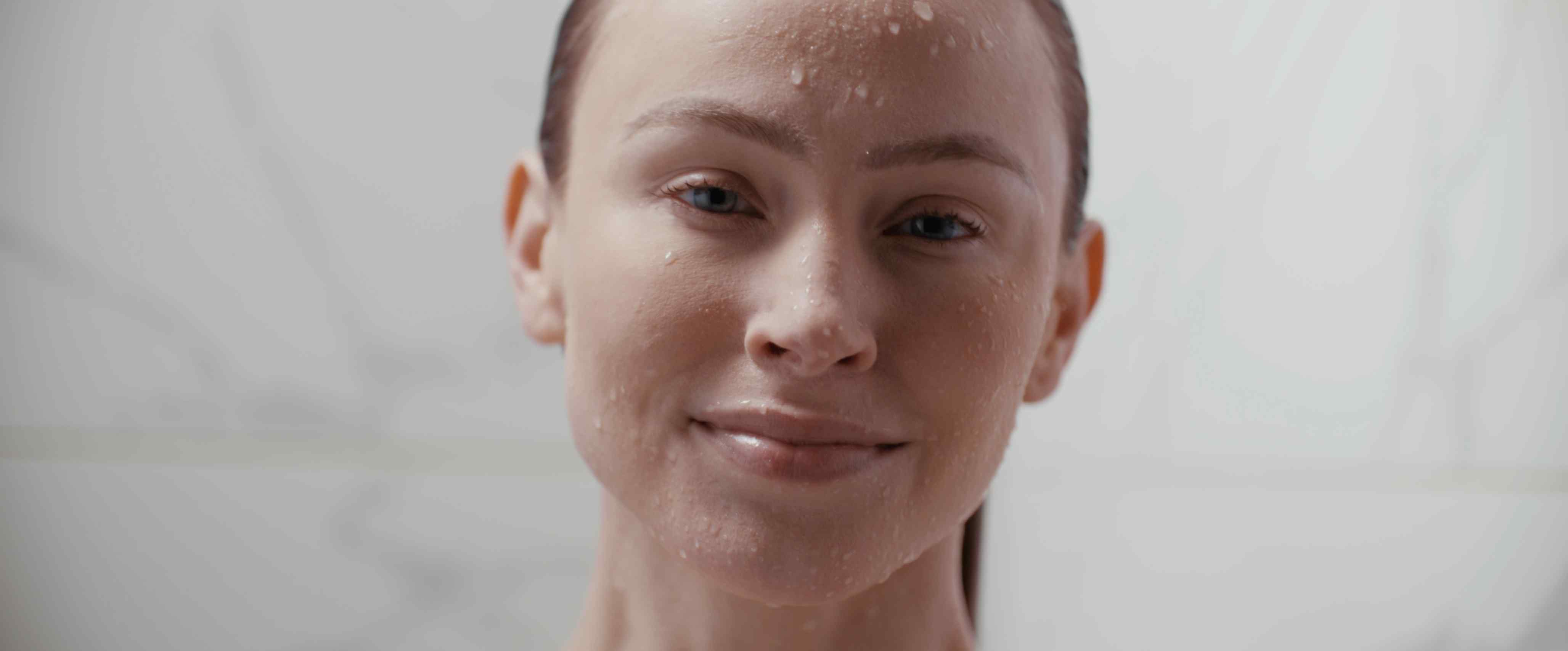
Cold immersion has gained popularity in performance communities due to its invigorating effect. Short periods of cold exposure may leave participants feeling alert and mentally sharp. When paired with heat, this combination often enhances overall recovery rituals.
Wellness enthusiasts who are not athletes also benefit. Daily life creates its own physical demands. Long hours at desks, repetitive movements, and general tension accumulate over time. Contrast therapy provides a reset for the body, offering a structured way to unwind physically.
Nervous System Reset and Stress Relief
Few experiences command presence like stepping into cold water after heat. Breath sharpens. Awareness heightens. The mind becomes focused on the present moment.
Cold exposure activates the sympathetic nervous system briefly. When practiced with controlled breathing, this activation can train the body to handle stress more calmly. Heat then offers a safe return to relaxation. The cycle creates an opportunity to build resilience.
Regular practice may support emotional balance by encouraging nervous system flexibility. People often report improved mood and better sleep quality after consistent sessions. The act of moving through temperature shifts also builds confidence. Facing discomfort in a controlled setting can feel empowering.
Heat alone has long been associated with relaxation rituals. Warmth signals safety to the body. Muscles soften, breathing slows, and mental chatter decreases. Adding cold to the experience creates contrast that enhances awareness and clarity.
Detox Support and Sweating
Sweating is one of the body’s natural cooling mechanisms. Heat exposure stimulates sweat production, which many associate with a sense of cleansing. The experience of sweating can feel purifying and restorative.
Scientific conversations around detoxification are complex. The liver and kidneys are the primary organs responsible for processing and eliminating waste. Sauna use supports sweating, which contributes to temperature regulation and may eliminate trace elements through perspiration.
More noticeable for many participants is the feeling of renewal that follows a thorough sweat session. Skin feels refreshed. Pores appear clearer. The ritual itself promotes self-care and mindfulness, which can be equally valuable for overall well-being.
Cold exposure after heat often leaves the skin feeling firm and revitalized. The alternating temperatures create a noticeable glow that many enjoy as part of their beauty and self-care routine.
Immune System Support
Cold exposure has drawn attention for its potential to stimulate certain physiological responses. Short, controlled exposure to cold may increase circulation and temporarily elevate levels of specific stress-related hormones. Researchers continue to explore how these responses might relate to immune function.
Heat therapy, particularly sauna bathing, has been associated in observational studies with patterns linked to overall wellness. These findings are promising but should be interpreted carefully. Hot and cold therapy should be viewed as supportive practices within a healthy lifestyle that includes balanced nutrition, sleep, and movement.
People who engage in regular contrast therapy often report feeling more resilient during seasonal changes. The practice encourages adaptability, which may contribute to a sense of strengthened well-being.
Mental Clarity and Emotional Resilience
Contrast therapy can serve as a powerful mental practice. Heat encourages surrender and relaxation. Cold demands presence and steady breathing. Together, they create a rhythm that anchors the mind.
Many participants describe improved focus after sessions. Cold immersion, even for short durations, often produces a clear, energized feeling. The brain responds to cold with increased alertness, which can translate into productivity and creative thinking.
Emotional resilience grows through repetition. Stepping into cold water challenges comfort zones. Choosing to remain calm within that challenge reinforces inner steadiness. Over time, everyday stressors may feel more manageable.
The ritual also creates space for intentional breathing. Slow, controlled breaths during cold exposure support calmness. Breath awareness during heat deepens relaxation. This cycle encourages a balanced internal state that carries beyond the session.
Metabolic Activation and Energy
Temperature exposure requires the body to regulate itself. Cold immersion can prompt thermogenesis, where the body works to maintain core temperature. This process uses energy and may contribute to metabolic activity.
Heat exposure increases heart rate slightly and promotes circulation, which can leave participants feeling invigorated. The combination of heat and cold often produces a noticeable energy lift that differs from caffeine or stimulants.
Some individuals practice contrast therapy in the morning for an alert start to the day. Others prefer evening sessions to unwind and reset. Personal preference and lifestyle determine timing.
Current research continues to examine the role of cold exposure in brown adipose tissue activation. Brown fat is metabolically active and involved in heat production. Findings are still emerging, and temperature therapy should not be viewed as a weight management solution. It can, however, complement an active lifestyle focused on balanced wellness habits.
Skin Health and Appearance
Heat increases blood flow to the skin, contributing to a radiant appearance. Sweating can help clear pores temporarily, leaving skin feeling clean and refreshed. Many spa traditions incorporate steam or sauna as part of beauty rituals.
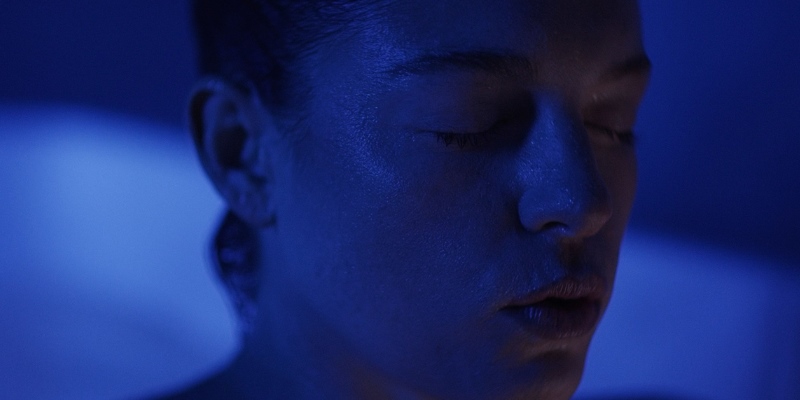
Cold exposure may temporarily tighten the skin’s appearance by constricting blood vessels. This effect can reduce the look of puffiness and enhance tone. Alternating between heat and cold amplifies these visible changes.
Hydration remains essential when practicing contrast therapy. Drinking water before and after sessions supports overall comfort and skin vitality.
Building a Safe and Effective Practice
Safety should guide every hot and cold session. Gradual exposure is key, especially for beginners. Short intervals allow the body to adapt comfortably. Listening to personal cues matters more than chasing duration goals.
Typical contrast therapy cycles may include several minutes of heat followed by brief cold immersion. Repeating this sequence a few times creates the desired vascular response. Individual tolerance varies, so personalization is essential.
Hydration and proper breathing support a positive experience. Slow nasal breathing during cold immersion helps maintain calm. Rest between cycles ensures the body feels steady before continuing.
People with cardiovascular conditions, pregnancy, or other medical concerns should seek guidance from a qualified healthcare professional before beginning contrast therapy. Wellness spaces that provide structured environments and knowledgeable staff can enhance safety and comfort.
Integrating Hot and Cold Therapy Into a Balanced Lifestyle
Hot and cold therapy works best when paired with other wellness practices. Movement, nourishing food, restorative sleep, and mindful rituals create a supportive foundation.
Consistency tends to produce the most noticeable benefits. Some people practice weekly. Others incorporate shorter sessions multiple times per week. Paying attention to how the body responds allows for meaningful adjustments.
The experience extends beyond physical sensation. Contrast therapy invites intentional pause. It creates time away from screens and responsibilities. The ritual becomes a sanctuary for reflection and renewal.
Temperature contrast reminds us that the body is adaptable. It thrives on gentle challenge balanced with restoration. Alternating heat and cold offers a simple yet powerful way to engage that natural capacity.
Hot and cold therapy remains a timeless wellness practice for good reason. Circulation improves, muscles relax, mental clarity sharpens, and resilience strengthens. With mindful application and respect for individual limits, contrast therapy can become a grounding ritual that supports vitality for years to come.


