

Modern life asks your senses to do a lot. Screens, noise, schedules, decision fatigue, and constant input keep the nervous system “on” far longer than it was designed to be. Zero gravity float experiences, often called floatation-REST (Restricted Environmental Stimulation Therapy), offer a rare counterbalance: an hour where gravity softens, sensory demand drops, and the body gets a chance to reset in a quiet, supported state. (If you’re local and curious, Altered States Wellness offers float sessions as part of a larger recovery-focused menu, though this article is meant to educate, not sell.)
Float therapy has grown quickly over the last decade, and so has the research. Recent reviews and trials continue to explore how floating may support relaxation, mood, sleep, and recovery without positioning it as a cure for anything. The most helpful way to approach floating is as a nervous-system practice: a structured environment that makes it easier to access stillness, downshift stress physiology, and reconnect with your body.
What “Zero Gravity” Really Means in a Float Session
Zero gravity floating is not outer space, yet the body often interprets it as a dramatic reduction in physical load. A float tank or float pool is filled with warm water saturated with magnesium sulfate (Epsom salt), creating strong buoyancy so you can lie on your back and float with minimal effort. Many float environments also aim for skin-neutral water temperature (often around 35°C), which makes it harder to tell where your body ends and the water begins, reducing sensory “noise.”
Lighting and sound are intentionally reduced. That combination, buoyancy plus quiet plus darkness, is the essence of floatation-REST: fewer inputs reaching the brain, fewer muscular adjustments needed to hold posture, and fewer cues telling your nervous system to stay alert.
Why Less Sensory Input Can Feel Like More Relief
Your brain constantly filters information from the outside world and from inside your body. When the external stream becomes quieter, many people notice internal signals more clearly: breath, heartbeat, tension patterns, emotions, even subtle thoughts that were buried under stimulation. Research on floatation-REST describes this as a reduced environmental demand that can make deep relaxation more accessible than typical “try to relax” strategies.
A float session can also feel mentally spacious. Some people experience calm focus, others drift toward a dreamlike state, and some simply rest in silence. A 2024 study examining altered states during floatation-REST highlights that the environment can reliably shift subjective experience in ways that resemble meditation, with changes in how time and body boundaries are perceived.
Nervous System Downshifting: Relaxation You Can Measure
Relaxation is a feeling, yet physiology often shifts alongside it. One line of research looks at cardiovascular markers during floatation-REST, including heart rate variability (HRV), a metric commonly associated with autonomic balance and recovery capacity. A 2022 study exploring acute cardiovascular effects reported changes consistent with increased parasympathetic activity during floating, which aligns with the “rest and digest” side of the nervous system.
That matters because stress is not only a mood. Stress is also muscle tone, breathing pattern, digestion, attention, and sleep architecture. Floating does not erase stressors, yet it may create a reliable window where stress physiology eases, even for people who struggle to unwind through willpower alone.
Emotional Ease and Mental Quiet: What the Newer Research Suggests
People often describe floating as “switching off the noise.” Research is still developing, yet recent clinical work is encouraging around feasibility, safety, and potential mental health support as a complementary practice.
A randomized controlled safety and feasibility trial published in 2024 found that a series of floatation-REST sessions was feasible and well-tolerated in anxious and depressed outpatient participants, with few negative effects reported. The authors emphasized the need for larger trials to evaluate clinical efficacy, which is a responsible and important distinction.
A 2025 systematic review also summarizes a body of studies suggesting floatation-REST may help with anxiety symptoms, sleep, pain experiences, and general wellbeing, while noting variation in study quality and outcomes. Reading reviews like this can help you keep expectations grounded: promising, not magical.
Muscles, Joints, and the Gift of Unloading
One underrated benefit of zero gravity float is simple mechanical relief. Buoyancy reduces compressive load on joints and soft tissue, and it can give chronically tight muscles a break from constant micro-bracing. Many people notice this most in the neck, low back, hips, and jaw.
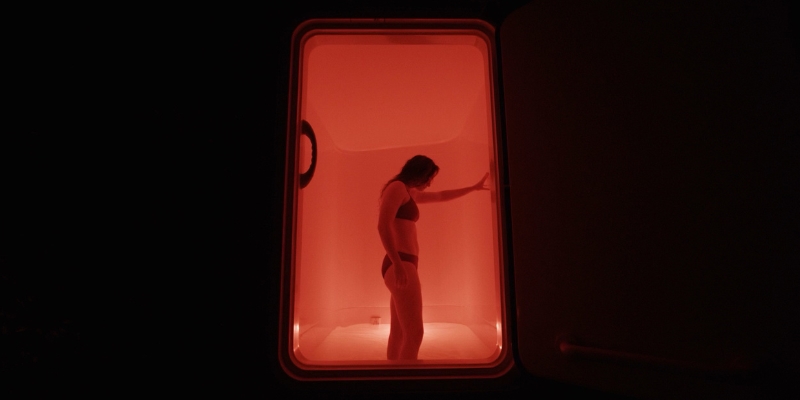
The experience is closer to supported rest than stretching. Your body is not being forced into range, so the nervous system may allow tension to release gradually. That gentle “letting go” quality is why athletes and high-stress professionals often use floating as a recovery tool, even when they do other modalities like massage, sauna, or breathwork. Research continues to explore performance and recovery applications, including studies in sport contexts.
Sleep Support: A Downshift That Can Carry Into the Night
Sleep is a common reason people try floating. The most useful way to talk about sleep benefits is through readiness and regulation: floating may reduce arousal, making it easier to transition into rest later. The evidence base includes studies and reviews that report improvements in sleep outcomes for some participants, though results are not uniform across all groups.
Practical experience also points to timing as a factor. Evening floats often pair well with winding down, while daytime floats can help reset stress load and improve focus without caffeine. People who are sensitive sleepers sometimes prefer earlier sessions to avoid feeling “too awake” from the mental clarity that can follow deep rest.
Mindfulness Without Trying: Attention, Breath, and Body Awareness
A float environment makes mindfulness simpler because distractions are reduced. You might notice your breath settling into a slower rhythm. You might realize how often your shoulders lift, your jaw clenches, or your thoughts sprint. That awareness is useful because it turns vague stress into specific signals you can work with.
A 2025 study comparing Floatation-REST to a bed-based rest condition reported greater relaxation and changes in subjective experience, alongside increases in state mindfulness and interoceptive awareness after floating. That is a compelling point: floating may help people feel more connected to internal cues, which supports better self-regulation in everyday life.
The Magnesium Question: Helpful Mineral, Overhyped Claim
Most float tanks use Epsom salt to create buoyancy. People often hear that magnesium is “absorbed through the skin,” and that it drives many of the benefits. Reality is more conservative.
Scientific sources describe magnesium sulfate primarily as a buoyancy tool in float environments. Claims of significant transdermal magnesium absorption remain debated, and marketing around “fixing magnesium deficiency through floating” has been criticized as potentially misleading.
That does not reduce the value of floating. Buoyancy itself can explain a lot: less muscular work, less pressure, less sensory demand. If magnesium status is a personal concern, it’s best discussed with a qualified clinician who can recommend evidence-based options, while you enjoy the float for what it reliably provides: deep rest.
Who Usually Loves Floating, and Who Might Not
Floating tends to appeal to people who carry stress in their body, feel overstimulated, struggle to “turn the mind off,” or want a non-strenuous recovery practice. Creative professionals also report that the quiet space supports insight and problem solving, a theme that appears in the research literature as well.
Some people do not love the first session, and that can still be normal. Novelty alone can keep the brain alert. Others realize they are uncomfortable with silence, darkness, or enclosed spaces. Many float centers offer open pools, larger cabins, or gentle lighting options, which can make the experience more accessible.
Certain health conditions may make floating inappropriate. Clinical resources note caution for issues like open wounds, contagious skin conditions, and some medical conditions where heat exposure or isolation could pose risks. A quick check with a healthcare professional is the safest route if you are unsure, especially for seizure disorders, significant blood pressure concerns, or pregnancy-related questions.
How to Get the Most From a Float Session
A float session works best when it feels unforced. Eating a heavy meal right before can make it harder to settle, while arriving overly hungry can be distracting. Hydration helps, yet guzzling water right beforehand can pull you out of the experience.
Give yourself permission to do very little. Some people set an intention, others enter with curiosity and let the hour unfold. Breath awareness is a gentle anchor if the mind feels busy. A practical tip: small scratches can sting in salty water, so shaving right before a float is often uncomfortable.
A post-float buffer is also valuable. Many people step out feeling calm, open, and slightly dreamy. Rushing straight back into email and traffic can blunt the benefit. A few quiet minutes afterward, even in the parking lot, can help the nervous system “lock in” the downshift.
What Benefits Can You Reasonably Expect?
Most people who enjoy floating report some combination of physical ease, mental quiet, improved mood, and better sleep readiness. Research supports the idea that floatation-REST can reliably promote relaxation and may help reduce anxiety symptoms for some individuals, while emphasizing that more high-quality trials are needed to clarify who benefits most and why.
Think of zero gravity float as training wheels for rest. The environment does part of the work that your mind usually struggles to do on its own. When that rest becomes familiar, the effect often extends beyond the tank: more awareness of tension patterns, a clearer sense of “too much,” and a better ability to downshift before stress becomes burnout.
Rest is a skill. Floating is one of the cleanest ways to practice it.


