
.jpg)
Chromotherapy lighting has become a common add-on in both infrared and traditional saunas, turning a simple heat session into something that feels more like a sensory reset. At Altered States Wellness, we sometimes pair gentle color lighting with sauna sessions to help people settle into a quieter headspace, since ambiance can shape how quickly the nervous system downshifts.
Color light in a sauna is not a medical treatment. Think of it as an environment tool: it can influence mood, comfort, and perception of relaxation, much like music, temperature, and scent. The value comes from how your body responds to the overall experience.
What Chromotherapy Means In A Sauna Setting
Chromotherapy is the use of colored light to create a desired emotional or psychological tone. In today’s sauna world, it usually means LED lights that cycle through colors, let you pick a single hue, or offer preset “modes” tied to common goals like relaxation or recharge.
Most sauna chromotherapy systems rely on visible light, not the higher-intensity “light therapy” devices used in clinical settings. That distinction matters. Bright light therapy is dosed with specific intensity, timing, and spectrum to affect circadian rhythms, while sauna chromotherapy is typically softer, decorative, and comfort-focused. Research continues to clarify how different wavelengths interact with the nervous system and circadian biology, yet the strongest evidence still centers on intensity and timing of light exposure rather than simple color preference.
Why Color Can Feel Powerful Even When It’s “Just Ambiance”
Color changes more than what you see. It can change how you interpret the moment.
Humans form fast associations with color based on culture, personal memory, and biology. Soft blue can feel “cooler” even in a hot room. Warm amber can feel candlelike and safe. Green can feel nature-adjacent. Those associations influence stress perception and comfort, and comfort is a key ingredient in relaxation.
Healthcare design research also supports the idea that surrounding colors can shape perceived comfort and emotional experience, even when they are not treating a condition. That’s a useful lens for sauna chromotherapy: color is part of the environment that can support a calmer experience.
Light, The Brain, And The Part That’s Actually Measurable
Light affects the body through more than vision. Specialized retinal cells respond strongly to certain wavelengths and send signals to brain regions involved with circadian timing and alertness. That pathway is one reason evening light exposure can influence sleep timing and hormone rhythms.
Color matters here, but intensity and timing matter even more. Blue-leaning light in the evening is more likely to support alertness, while red-leaning light tends to have less impact on melatonin compared with blue at similar exposure levels in controlled settings.
Sauna chromotherapy lighting is usually dimmer than lab-grade protocols, so treat this as guidance rather than a guarantee. People who are sensitive to light at night often do best with lower brightness and warmer tones later in the day.
What Each Color Is Commonly Used For, And How To Choose Without Overthinking It
Color systems often come with promised “meanings.” Keep your approach practical: choose the hue that matches how you want to feel, then notice your response.
Blue For Exhale Energy
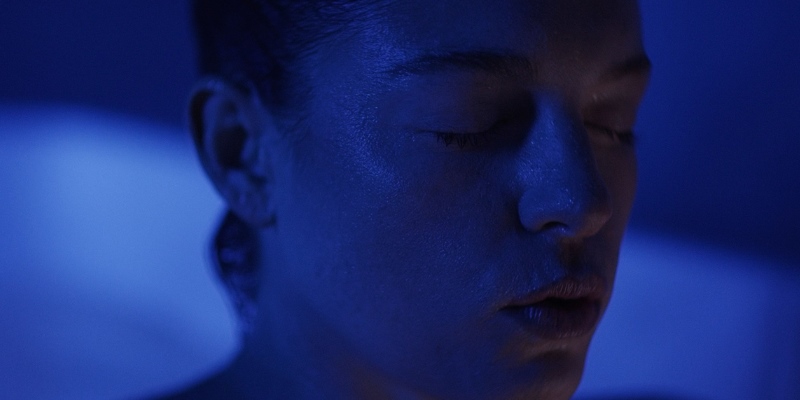
Blue is commonly chosen when the goal is to slow down and feel spacious. Many people report that blue light makes heat feel more tolerable, which can help you stay present longer without getting mentally antsy. If your sauna session happens at night, keep blue dim, since brighter blue-leaning light tends to be more stimulating for circadian biology.
Green For Balance And Quiet Focus
Green often lands well for people who don’t want sleepy vibes but also don’t want intensity. It can feel neutral and steady, which pairs nicely with breathwork or a simple body scan.
Red And Amber For Warmth, Comfort, And Evening-Friendly Light
Red, amber, and softer orange tones tend to feel cozy and grounding. Many people prefer these hues for late-day sessions because they’re less likely to feel bright or activating. If you pair sauna with a wind-down routine, amber is often the easiest choice.
Purple For Meditation Vibes, Creativity, And Something Different
Purple is a wildcard. Some people find it soothing and introspective. Others find it oddly energizing. If you use purple, try it on a day when you’re not chasing a specific outcome, then decide whether it fits your nervous system.
White Light For Practical Sessions
Warm white is useful when you want to stretch, read a simple timer, or focus on recovery routines without a strong mood overlay.
How To Combine Chromotherapy With Heat For A Better Ritual
Chromotherapy works best when it’s part of a coherent session, not a disco loop. Small choices make a noticeable difference.
Start by picking one color and keeping it steady for at least 10 minutes. Constant cycling can feel fun, yet it also keeps the brain “tracking” change, which is not always relaxing. If your system has a slow-fade mode, choose a gentle transition rather than rapid switching.
Match color to timing. Earlier in the day can handle brighter, cooler tones if you enjoy them. Evening sessions usually feel better with dim amber, red, or warm white. The goal is to leave the sauna feeling settled, not wired.
Pair the light with one anchor habit. A simple breath pattern, a short guided meditation, or quiet music gives the nervous system something predictable to follow, letting the color become a background cue rather than the main event.
Sauna Lighting Safety: What Matters Most
Saunas are hot, humid, and unforgiving to electronics. The best chromotherapy system is the one that’s safe, sealed, and designed for the environment.
Choose fixtures rated for heat and moisture, and look for an appropriate ingress protection rating. IP ratings come from the IEC 60529 standard and describe how well an enclosure resists dust and water entry. Many sauna lighting resources recommend IP65 or higher for wet environments, though your actual needs depend on placement and exposure to steam.

Also consider product compliance and installation quality. Sauna and infrared cabin safety is addressed within established standards used internationally for household and similar appliances, including sauna-specific requirements. For home builds or retrofits, a qualified electrician and sauna technician can help you avoid common issues like heat damage, failed adhesives, and unsafe power routing.
Placement matters. Lower, indirect lighting often feels better than a bright overhead source. Many sauna designers aim to illuminate the space without spotlighting the face, since softer, side-lit environments tend to read as calmer and more private.
Chromotherapy Vs Red Light Therapy: Clearing Up The Confusion
A lot of sauna listings blur the line between chromotherapy and red light therapy. They are not the same thing.
Chromotherapy is usually visible colored LEDs meant to set mood. Red light therapy is typically delivered at specific wavelengths and power densities, often in the red and near-infrared ranges, with a more technical setup. Some saunas offer both, yet “red” on an RGB color system is not automatically comparable to a dedicated red light therapy panel.
If your goal is ambiance and relaxation, chromotherapy is a great fit. If your goal is a specific light-based protocol, you’ll want to confirm the device’s wavelength and irradiance specs and avoid assuming that “colored lights” equals “light therapy.”
A Simple, Science-Respecting Way To Use Chromotherapy
Chromotherapy shines when you treat it as supportive design rather than a cure. A few grounded guidelines keep it helpful and honest.
Notice patterns instead of chasing claims. Track how you feel during and after different colors: calm, restless, cozy, overstimulated, refreshed. Your response is the most useful metric.
Keep brightness comfortable. If you find yourself squinting or feeling mentally “switched on,” dim the lights or choose warmer tones. The relationship between light exposure and circadian signaling depends heavily on brightness and timing.
Make your session consistent for a week. Use the same color, similar sauna temperature, and similar session length for several visits. Consistency helps you separate “the light helped” from “today was just a better day.”
Stay cautious with sensitivity. If you get migraines, feel dizzy with flickering lights, or have eye conditions that make bright light uncomfortable, keep chromotherapy dim and stable, or skip it. Comfort comes first.
What To Look For When Buying Or Upgrading Sauna Chromotherapy Lights
A good chromotherapy setup is boring in all the right ways: stable, sealed, and easy to control.
Look for sauna-rated components, high moisture resistance via appropriate IP ratings, and a control system that lets you lock a single color without constant cycling. If you’re building a custom sauna, consider indirect placement behind backrests or under benches for a softer glow.
Also check how the lights are powered. Low-voltage systems designed for sauna conditions are generally preferred, and placement should keep drivers and sensitive electronics away from peak heat zones.
The Real Takeaway
Chromotherapy lights can make sauna sessions feel more intentional. Color can support relaxation by shaping the environment your nervous system is responding to, and light biology offers a useful reminder that timing and brightness matter as much as hue.
Use chromotherapy as a cue for the experience you want: softer evenings, steadier breath, fewer mental tabs open. Keep expectations realistic, keep the setup safe, and let your body tell you which colors feel like home.


