
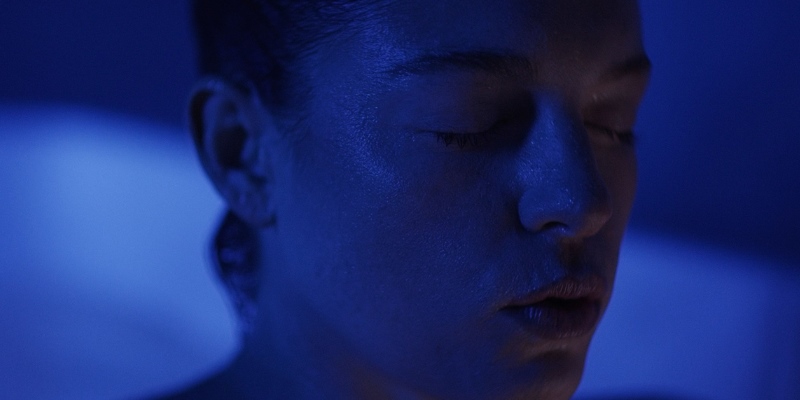
Cold plunging has moved from fringe wellness practice to a widely respected recovery and resilience tool. Athletes, wellness enthusiasts, and everyday stress managers now use cold water immersion to feel more awake, more grounded, and more connected to their bodies. One of the most common questions that comes up once someone commits to the practice is timing. Should a cold plunge happen in the morning to kickstart the day, or at night to close it out?
Timing matters, not because one option is superior for everyone, but because the body responds differently depending on circadian rhythm, nervous system state, and personal lifestyle patterns. Choosing the right time becomes less about rules and more about alignment with how your body naturally moves through the day.
Cold plunge therapy is available at Altered States Wellness as part of a broader recovery and self-care experience, yet the real value comes from understanding how and when to use the practice intentionally. What follows is a deep look at morning versus night cold plunging, how each influences the body and mind, and how to decide which approach supports your goals.
Understanding What a Cold Plunge Does to the Body
Cold water immersion triggers a rapid sensory response. Skin temperature drops, blood vessels constrict, breathing becomes sharper, and the nervous system shifts gears. This process encourages circulation changes, heightens awareness, and supports stress adaptation over time.
The body reads cold exposure as a short, controlled stressor. When practiced responsibly, that stressor can support resilience by training the nervous system to return to balance more efficiently. Hormonal responses vary based on duration, temperature, and timing, which explains why a plunge can feel energizing in one moment and grounding in another.
Circadian rhythm plays a role here. Hormones linked to alertness, rest, and recovery follow a daily cycle. Cold exposure interacts with that cycle, amplifying certain effects depending on when the plunge takes place.
Morning Cold Plunge: Starting the Day With Clarity and Drive
Morning cold plunging aligns naturally with the body’s transition from rest to activity. Core temperature and cortisol levels rise after waking, preparing the body for movement and focus. Adding cold exposure at this point often intensifies that natural shift.
Many people describe a morning plunge as mentally clarifying. Thoughts feel sharper, breathing feels fuller, and sluggishness tends to fade quickly. Cold exposure can heighten alertness, which is why many choose it as an alternative to caffeine or as a complement to a morning routine that already includes movement or meditation.
A morning plunge may also help establish consistency. Completing a challenging practice early builds momentum for the rest of the day. That sense of accomplishment carries into work, training, or creative pursuits.
Physical training schedules often influence this choice. Athletes who train later in the day sometimes use a morning plunge to stimulate circulation without interfering with muscle adaptation closer to workouts. Cold exposure early gives the body time to return to baseline before intense physical demand.
That said, morning plunges are not always gentle. Nervous systems that already feel overstimulated in the morning may experience added intensity. Individuals prone to anxiety or morning stress sometimes find that plunging too early feels jarring rather than supportive.
Night Cold Plunge: Closing the Day With Intention
Nighttime cold plunging offers a very different experience. The body naturally begins winding down in the evening. Core temperature gradually lowers, and the nervous system shifts toward rest. Cold exposure during this window can either support that transition or disrupt it, depending on timing and sensitivity.
Some people experience a deep sense of calm after an evening plunge. The cold creates a strong contrast that pulls attention out of the day’s mental noise and into the body. Breathing slows after the initial shock, and muscles often feel looser once warmth returns.
This grounding effect can be especially valuable for those who carry stress into the evening. A controlled cold plunge can act as a reset, signaling that the workday has ended and recovery has begun.
Sleep response varies. Certain individuals report improved sleep quality when the plunge is completed at least a couple of hours before bed. Others feel too alert afterward, especially if the water is extremely cold or the session runs long. Timing becomes critical here. A plunge right before bed may stimulate alertness rather than rest.
Evening cold plunges often pair well with contrast therapy or breathwork that emphasizes slow exhales. These additions help guide the nervous system toward parasympathetic dominance, which supports relaxation.
Nervous System Considerations and Stress Load
Cold plunging always interacts with the nervous system. The difference between morning and night often comes down to stress load and recovery capacity.
Morning plunges typically stimulate the sympathetic nervous system, supporting action and focus. That stimulation can be helpful when energy feels low or motivation needs a boost.
.jpg)
Night plunges, when done mindfully, can support downregulation after a long day. Shorter durations and slightly warmer temperatures tend to work better in the evening. The goal shifts from activation to release.
People managing high stress levels benefit from paying close attention to how their body responds over several sessions. A journal or simple mental check-in after each plunge helps identify patterns. Energy, mood, and sleep quality offer clear feedback.
Hormonal Rhythm and Timing
Hormones respond to both cold exposure and time of day. Cortisol, often misunderstood as purely negative, plays an essential role in alertness and metabolism. Levels rise naturally in the morning and taper off at night.
Morning cold plunges may amplify cortisol’s wake-up function without disrupting its natural decline later. Night plunges, if too intense, risk pushing cortisol upward at a time when the body prefers rest.
Melatonin, the hormone associated with sleep, rises in the evening. Cold exposure too close to bedtime may interfere with that rise for some individuals. Spacing the plunge earlier in the evening helps avoid this issue.
Everyone’s hormonal rhythm differs slightly. Work schedules, light exposure, and training habits all influence timing tolerance. Personal experimentation remains the most reliable guide.
Training, Recovery, and Cold Exposure Timing
Cold plunges often intersect with physical training goals. Timing becomes especially important here.
Morning plunges work well for general wellness, mobility work, and light training days. They provide stimulation without immediately following muscle-loading sessions.
Evening plunges sometimes follow workouts as a recovery ritual. Opinions vary on cold exposure immediately after strength training, since cold may influence muscle adaptation signals. Many practitioners choose to separate intense resistance training and cold plunges by several hours.
Endurance athletes often use evening plunges to soothe soreness and prepare for the next day. Short sessions focused on circulation rather than extreme cold tend to feel best in these cases.
Listening to how joints, muscles, and energy levels respond over time gives clearer direction than any generalized rule.
Lifestyle Factors That Influence the Best Time
Work schedules, family routines, and personal preferences matter. A practice only works when it fits into real life.
Morning plunges suit early risers and those with predictable mornings. Night plunges fit people who value evening rituals and quiet reflection.
Climate also plays a role. Cold plunging early on a winter morning feels different from a summer evening session. Seasonal shifts may naturally change preferred timing throughout the year.
Consistency matters more than perfection. A plunge done regularly at a time that feels supportive often delivers better results than chasing an ideal window that never quite fits.
Choosing the Right Time for You
The question of cold plunge at night or morning does not have a universal answer. The body offers guidance through energy levels, mood, sleep quality, and overall sense of balance.
Morning plunges tend to support alertness, focus, and momentum. Night plunges often support grounding, stress release, and intentional closure of the day when timed appropriately.
Some people alternate based on training cycles or stress levels. Others commit to one time that consistently feels right. Both approaches can work.
The most sustainable cold plunge practice respects individual rhythm rather than forcing adaptation. Awareness, curiosity, and patience turn cold exposure into a supportive wellness ritual rather than another obligation.
Cold water has a way of teaching presence. Whether the plunge happens as the sun rises or the day winds down, the value lies in meeting the moment fully and letting the body respond in its own time.


