
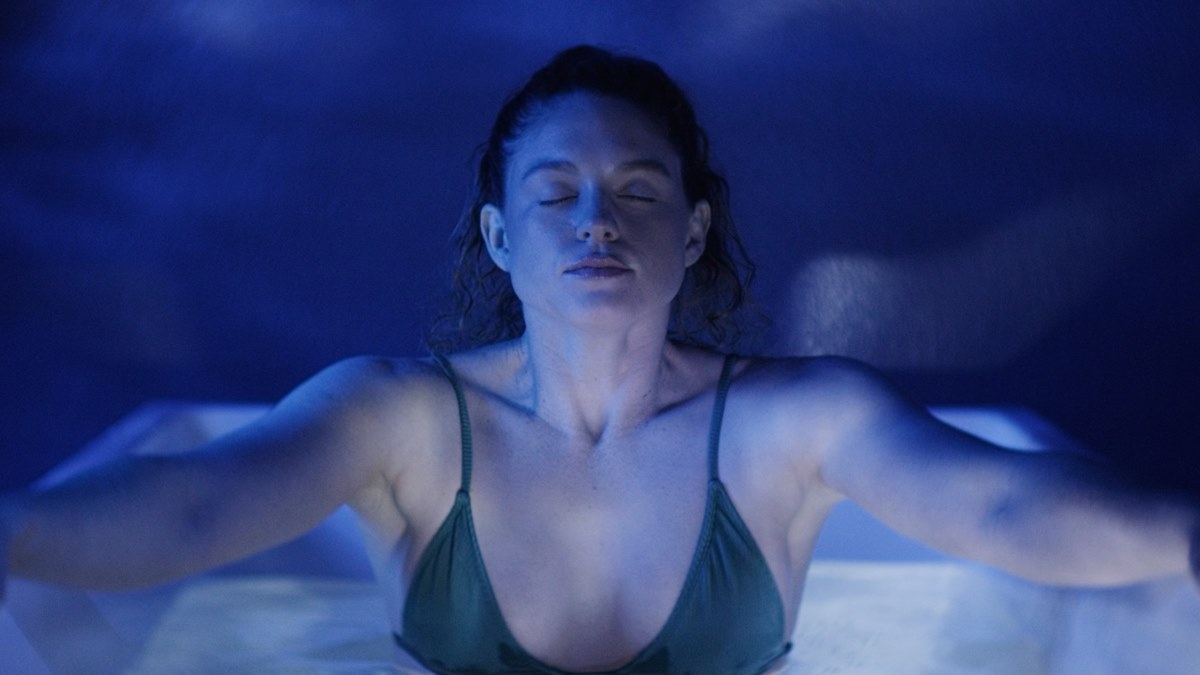
Cold plunging has moved from niche recovery practice into a widely embraced wellness ritual. Athletes, high performers, and everyday wellness seekers are stepping into cold water not just for resilience, but for clarity, calm, and a sense of renewal that is hard to replicate. Temperature sits at the center of that experience. Too cold, and the body goes into stress overload. Too warm, and many of the desired effects fade.
Understanding the right cold plunge temperature helps you move from guesswork to intention. A well-calibrated plunge creates a powerful yet sustainable practice that supports both body and mind.
Some wellness studios, including Altered States Wellness, carefully control water temperature to deliver a consistent cold plunge experience. That level of precision highlights how important temperature truly is.
What Is the Ideal Cold Plunge Temperature?
Cold plunge temperatures typically range between 39°F to 59°F (4°C to 15°C). This range allows the body to experience cold exposure without pushing into extremes that can feel overwhelming or unsafe for most people.
Water at the lower end of the range, around 39°F to 45°F, creates a sharp, intense experience. It activates the body quickly, triggering rapid breathing and a strong alertness response. This range is often used by experienced practitioners who are familiar with managing the initial shock.
Temperatures between 46°F and 53°F offer a more balanced experience. The cold is still very present, yet it becomes easier to regulate breathing and stay immersed for longer periods. Many people find this range ideal for regular practice because it supports consistency without excessive strain.
Water above 54°F starts to feel more like cool immersion rather than true cold exposure. Benefits can still be present, especially for beginners or those focusing on relaxation, but the physiological response is generally milder.
The best temperature is not a fixed number. It depends on your experience level, your goals, and how your body responds on a given day.
How Temperature Influences the Body
Cold water immersion creates a cascade of responses. Temperature determines how intense and immediate those responses are.
Nervous System Activation
Colder temperatures trigger a stronger activation of the sympathetic nervous system. That initial gasp reflex, followed by heightened alertness, is part of this process. As you stay in the water and control your breathing, the body begins to shift toward a calmer state.
.jpg)
Moderate cold temperatures make this transition easier. Extremely cold water can make it harder to settle into a steady rhythm, especially for beginners.
Circulation and Blood Flow
Cold exposure causes blood vessels near the skin to constrict. This response helps preserve core temperature. Once you exit the plunge, circulation increases as the body warms back up.
Lower temperatures create a more pronounced constriction and rebound effect. Slightly warmer cold plunges still support circulation but with less intensity, which may feel more comfortable for frequent use.
Mental Clarity and Focus
The sharper the cold, the more immediate the mental shift. Cold water pulls attention into the present moment. There is little room for distraction when your body is adapting to cold.
Moderate temperatures allow for a more meditative experience. You can focus on breath, observe sensations, and stay grounded without feeling overwhelmed.
Choosing the Right Temperature for Your Goals
Your intention plays a major role in selecting the right temperature. Cold plunging is not a one-size-fits-all practice.
For Energy and Alertness
Lower temperatures, around 39°F to 45°F, create a strong wake-up effect. This range is often chosen in the morning or before mentally demanding tasks. The intensity stimulates the body quickly and leaves you feeling sharp and awake.
For Recovery and Relaxation
A slightly warmer range, around 46°F to 53°F, is popular in post-workout recovery routines while allowing the nervous system to settle. Many people prefer this range after workouts or in the evening when the goal is to unwind rather than stimulate.
For Beginners
Starting at 54°F to 59°F is a gentle way to introduce cold exposure. The body can adapt without feeling shocked, and confidence builds with each session. Over time, temperatures can gradually be lowered as comfort increases.
Consistency matters more than chasing extreme cold. A sustainable practice delivers far more value than occasional intense sessions.
Duration and Temperature: A Balanced Approach
Temperature and time work together. Colder water usually means shorter sessions, while slightly warmer water allows for longer immersion.
At lower temperatures, even one to three minutes can feel intense and effective. The body reaches a high level of stimulation quickly. Staying longer is not always necessary and can become counterproductive if it leads to excessive stress.
At moderate temperatures, sessions of three to ten minutes are more common. This range provides enough time for the body to settle into the experience and for breathing to become steady.
Listening to your body is essential. Shivering that becomes uncontrollable, numbness, or discomfort that feels overwhelming are signs to exit the water.
Adapting Over Time
Cold tolerance is not fixed. The body adapts with repeated exposure.'
Early sessions may feel challenging even at higher temperatures. Breathing may feel irregular, and the urge to get out can come quickly. With consistent practice, the same temperature begins to feel manageable, even enjoyable.
As adaptation occurs, many people choose to lower the temperature slightly. This progression keeps the practice engaging and continues to challenge the body in a controlled way.
Patience is key. There is no need to rush toward colder extremes. The goal is to build a relationship with the practice that feels steady and supportive.
The Role of Breathing in Temperature Tolerance
Breathing shapes the cold plunge experience as much as temperature does.
Cold water often triggers rapid, shallow breathing at first. Slowing the breath helps signal safety to the nervous system. It allows the body to shift from initial shock into a more controlled state.
At colder temperatures, this shift may take longer. At moderate temperatures, it often happens within the first minute. Focusing on long exhales and steady inhales creates a sense of calm even in cold conditions.
Over time, controlled breathing becomes second nature. It turns the plunge from a test of endurance into a grounded, intentional practice.
Safety Considerations Around Temperature
Many people enjoy cold plunging comfortably when they approach it with awareness and respect for the body’s limits.
Extremely low temperatures increase the risk of prolonged discomfort or adverse reactions, especially for those new to cold exposure. Starting within a moderate range reduces that risk and builds confidence.
Entering the water slowly helps the body adjust. Sudden full immersion can feel overwhelming, particularly at colder temperatures. Gradual entry allows breathing to stabilize.
Staying hydrated and avoiding cold plunges when feeling unwell are simple but important practices. If any underlying health conditions are present, it is wise to consult a professional before beginning.
Seasonal Adjustments and Environmental Factors
Temperature perception changes with the environment. A 50°F plunge can feel very different in summer compared to winter.
During warmer months, colder water often feels refreshing and energizing. In colder seasons, the same temperature may feel more intense due to lower ambient temperatures.
Indoor cold plunges offer consistency. Outdoor plunges bring variability that can be both invigorating and unpredictable. Adjusting your approach based on the season helps maintain a balanced experience.
Building a Personal Cold Plunge Practice
Cold plunging becomes most meaningful when it is personalized. Temperature is one of the main variables you can adjust to suit your needs.
Some days may call for a more intense plunge to reset your energy. Other days may benefit from a gentler temperature that supports relaxation.
Paying attention to how you feel before and after each session helps guide these choices.
Keeping a simple log of temperature, duration, and how you felt afterward can reveal patterns over time. This awareness allows you to refine your practice and stay aligned with your goals.
Closing Thoughts
Cold plunge temperature is more than just a number on a dial. It shapes the entire experience, from the first breath to the lingering sense of calm or clarity afterward.
A thoughtful approach to temperature creates a practice that feels both powerful and sustainable. Whether you are stepping into cold water for the first time or refining an established routine, the goal remains the same: to support your well-being in a way that feels grounded, intentional, and aligned with your body.
Finding your ideal range takes a bit of experimentation, but the process itself becomes part of the reward.


