
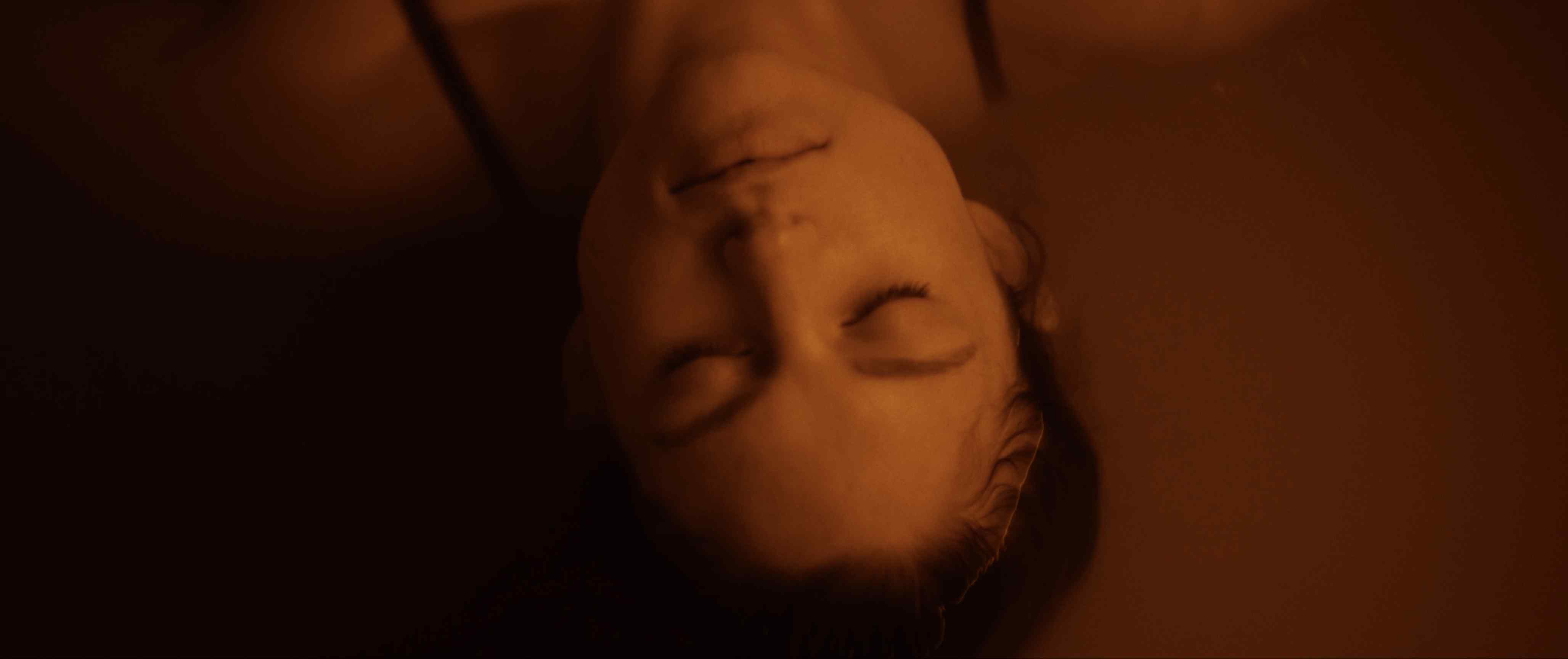
Contrast therapy has moved from elite athletic training rooms into everyday wellness spaces, and for good reason. Alternating between heat and cold offers a simple yet powerful way to support circulation, recovery, mental clarity, and stress resilience. Many people are drawn to the invigorating rush of cold immersion or the soothing release of a sauna session. When thoughtfully combined, these two temperature extremes create an experience that feels both energizing and deeply restorative.
At Altered States Wellness, hot and cold contrast therapy is offered in a guided, spa-like setting designed to make this ancient practice accessible and safe for modern lifestyles. The goal is not intensity for its own sake, but a balanced, repeatable ritual that supports long-term well-being.
What Is Contrast Therapy?
Contrast therapy involves alternating between periods of heat exposure and cold exposure. Heat may come from a sauna, steam room, or hot tub. Cold may involve a cold plunge, cold shower, or ice bath. A typical session cycles between these temperatures several times, often ending on cold to leave the body feeling refreshed and alert.
The concept is rooted in long-standing traditions. Nordic cultures have paired saunas with icy plunges for generations. Japanese bathing rituals incorporate hot soaking followed by cooling periods. Modern wellness spaces refine these rituals with controlled environments and guided timing.
Heat encourages blood vessels to widen, a process known as vasodilation. Cold prompts vessels to narrow, known as vasoconstriction. Moving back and forth between these states creates a gentle pumping action in the circulatory system. This shift in blood flow is one of the primary reasons contrast therapy is valued in recovery and wellness circles.
Beyond circulation, the experience engages the nervous system, influences mood, and invites a deep sense of presence. Stepping into cold water demands attention. Settling into warmth invites surrender. That rhythm can become a powerful anchor in a busy life.
Circulation and Oxygen Delivery
One of the most widely discussed benefits of contrast therapy is its effect on circulation. When you enter a hot sauna, blood vessels near the surface of the skin widen. This allows increased blood flow to the extremities and supports the body’s natural cooling process. Moving into cold water then causes those vessels to constrict, redirecting blood toward the core.
This alternating pattern acts like a training session for your vascular system. Over time, many people report feeling warmer in cold weather and less reactive to temperature changes. Improved circulation may also support the delivery of oxygen and nutrients to tissues throughout the body.
Athletes often use contrast therapy after training sessions to support recovery. Enhanced blood flow can help move metabolic byproducts away from muscles and bring in fresh oxygen. For non-athletes, this same mechanism may support recovery from everyday physical stress, whether that is a long hike, strength training, or simply hours spent at a desk.
The experience can also leave skin looking refreshed and slightly flushed due to increased blood flow. Many people appreciate that natural glow after a session.
Muscle Recovery and Physical Performance
Heat relaxes muscles and connective tissue. Cold can help reduce the perception of soreness following strenuous activity. When combined, these effects create a balanced approach to physical recovery.
Warm environments such as saunas encourage muscles to soften and joints to feel more mobile. Tight areas may release more easily when tissue temperature rises. Entering cold water afterward can feel bracing, yet it often leaves the body feeling lighter and less inflamed.
.jpg)
Current wellness research continues to explore how cold exposure influences inflammation and muscle repair. Evidence suggests that cold immersion may help manage post-exercise soreness when used appropriately. Timing and frequency matter. Contrast therapy is best viewed as a supportive recovery tool rather than a cure-all.
Recreational exercisers, runners, strength athletes, and yoga practitioners often incorporate contrast sessions into weekly routines. The ritual provides a structured way to care for the body after demanding physical work.
Nervous System Regulation and Stress Resilience
Modern life places constant demands on the nervous system. Emails, notifications, long workdays, and social obligations can keep the body in a mild state of stress. Contrast therapy offers a controlled environment where the nervous system can practice shifting between activation and relaxation.
Heat tends to encourage parasympathetic activity, often called the rest-and-digest response. Many people feel calm, heavy, and introspective in a sauna. Cold exposure, on the other hand, activates the sympathetic response. Heart rate increases. Breathing deepens. Attention sharpens.
Moving intentionally between these states may help the body become more adaptable. Instead of remaining stuck in chronic stress, the nervous system learns to transition smoothly between activation and recovery.
Cold immersion also invites breath awareness. Stepping into cold water naturally triggers a gasp reflex. With practice, slow and steady breathing can soften that response. This conscious breathing under stress can build resilience that carries into daily life. Traffic, deadlines, and unexpected challenges may feel more manageable when the body has practiced staying calm in discomfort.
Many people leave a contrast session with a clear, focused mind. The sharp alertness that follows cold exposure often feels like a reset button.
Mood and Mental Clarity
Mood changes are among the most noticeable effects of hot and cold exposure. Heat can feel comforting and grounding. Cold can feel invigorating and uplifting. Together, they create a dynamic experience that many describe as energizing yet centered.
Cold exposure has been studied for its potential influence on neurotransmitters related to mood and alertness. A brief immersion can trigger the release of certain chemicals that contribute to a sense of wakefulness and well-being. Heat exposure, particularly in a quiet sauna setting, can encourage reflection and relaxation.
The contrast between these sensations may enhance body awareness. Instead of moving through the day on autopilot, you are invited to pay attention to breath, heartbeat, and subtle shifts in sensation. That mindful awareness often lingers beyond the session.
Regular participants frequently report improved sleep quality. Evening contrast sessions that begin with heat and end with gentle cooling can support relaxation before bed. Individual responses vary, so it helps to experiment with timing to see what feels best for your body.
Immune Support and General Vitality
Interest in contrast therapy has grown alongside curiosity about immune health and general vitality. Alternating heat and cold creates mild, short-term stress on the body. This type of controlled stress, sometimes described as hormetic stress, may encourage adaptive responses that support overall resilience.
Heat exposure has been associated with temporary increases in heart rate similar to moderate exercise. Cold exposure challenges the body’s thermoregulation systems. When practiced consistently and safely, these exposures may contribute to improved tolerance for environmental stressors.
Research in this area is ongoing. Contrast therapy should not be viewed as a replacement for medical care, nor as a guarantee of illness prevention. Balanced nutrition, regular movement, adequate sleep, and supportive relationships remain foundational to well-being. Hot and cold therapy can serve as one supportive element within a larger self-care routine.
Many people notice a general sense of vitality after regular sessions. Morning lethargy may feel less pronounced. Afternoon energy dips may become less intense. These shifts are often subtle and cumulative rather than dramatic.
Skin Health and Detox Support
Sweating in a sauna is often associated with detoxification. Sweat does play a role in eliminating certain substances from the body, though the liver and kidneys remain the primary detox organs. Viewing sauna use as a gentle support for the body’s natural processes is more accurate than expecting dramatic cleansing effects.
Heat increases blood flow to the skin and opens pores through sweating. Cold exposure tightens the skin and can leave it feeling firm and refreshed. Alternating between these states may enhance the overall appearance of skin tone and texture over time.
.jpg)
Hydration is essential. Sweating leads to fluid loss, and replacing water and electrolytes after a session helps maintain balance. A well-hydrated body responds more comfortably to temperature shifts.
Many individuals also appreciate the ritual aspect of showering and rinsing between cycles. That pause creates a sense of renewal that extends beyond the physical.
How to Structure a Contrast Therapy Session
A common approach begins with 10 to 20 minutes of heat, followed by 1 to 3 minutes of cold. This cycle can be repeated two or three times, depending on comfort and experience level. New participants may start with shorter exposures and gradually increase duration as tolerance builds.
Listening to your body remains essential. Dizziness, nausea, or unusual discomfort are signs to step out and rest. People with certain medical conditions, including cardiovascular concerns, should consult a qualified healthcare professional before beginning contrast therapy.
Breathing slowly and steadily during cold immersion can make the experience more manageable. Gentle movement, such as lightly flexing fingers and toes, may also help maintain comfort.
Consistency matters more than intensity. A moderate, repeatable routine practiced once or twice per week often yields more noticeable benefits than sporadic extreme sessions.
Making Contrast Therapy Part of a Balanced Lifestyle
Contrast therapy works best as one element within a broader wellness routine. Nourishing meals, restorative sleep, strength training, and meaningful social connection all support long-term health. Hot and cold cycles can enhance these habits by providing a dedicated space for reset and reflection.
Community settings add another layer of support. Sharing a sauna or cold plunge with others can foster connection and accountability. Quiet solo sessions can offer solitude and introspection. Both approaches have value.
Approach contrast therapy with curiosity rather than pressure. Some days the heat will feel especially soothing. Other days the cold will feel like the highlight. That variability is part of the process.
Over time, many practitioners find that the ritual becomes less about endurance and more about awareness. Stepping into warmth, then into cold, becomes a reminder that the body is adaptable and capable. That lesson often carries into daily life in subtle yet meaningful ways.
Contrast therapy stands at the intersection of ancient tradition and modern wellness science. Its benefits extend beyond muscle recovery to include circulation, stress regulation, mental clarity, and a renewed sense of vitality. Practiced safely and consistently, it offers a grounded way to reconnect with your body and cultivate resilience in a fast-moving world.


