
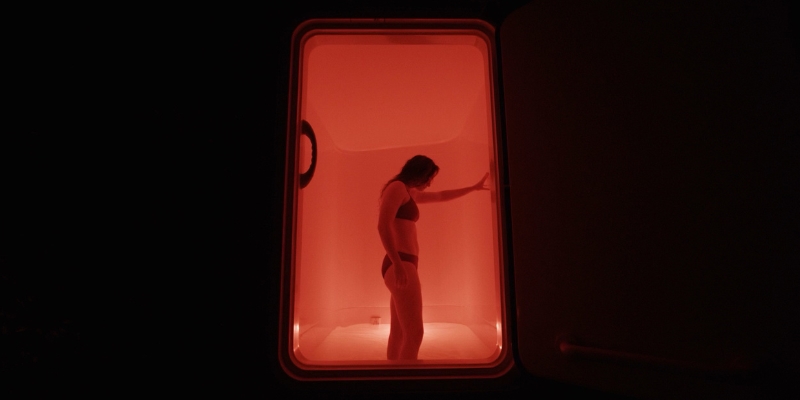
People exploring infrared saunas often come across the topic of EMF exposure. Conversations about wellness technology feel smoother when supported by clarity, so this guide offers a grounded look at what EMF means, how it relates to infrared heat, and what to consider when choosing a sauna experience. Altered States Wellness offers low-EMF infrared sauna sessions, and this mention supports readers who prefer a wellness center that pays attention to these details.
Understanding EMF in Today’s Wellness Spaces
Electromagnetic fields are a natural part of daily life. Earth produces its own electromagnetic presence, and every electrically powered device creates some form of EMF. Phones, lamps, refrigerators, power lines, routers, televisions, and wearable devices all emit EMF at varying levels. Each belongs to the category of non-ionizing EMF, which lacks enough energy to alter the structure of cells.
Infrared saunas also fall within this non-ionizing category. The heaters that generate soothing infrared warmth operate through electricity, which creates an EMF field around their components. People notice the topic because infrared sessions often last twenty to forty minutes, making awareness feel more relevant.
Some sauna manufacturers design their heaters and wiring location to lower EMF output. Many wellness centers seek out these lower-EMF systems because guests value peace of mind as part of their relaxation routine.
Why Infrared Heat Attracts So Much Attention
Traditional saunas heat the air around the body, while infrared saunas warm tissues through light waves. This approach appeals to many people who enjoy a gentler experience at lower temperatures. Sessions feel more sustainable for those who prefer a mild rise in body warmth instead of the intensity of dry heat chambers.
Infrared wavelengths travel deep enough to create a comforting sense of internal warmth. People often describe it as a calming glow. Since this technology relies on electrical heaters rather than open heat sources, conversations about EMF naturally follow.
The popularity of infrared therapy continues to grow. Newer models focus on user comfort, heating efficiency, reduced EMF output, and even spectrum-specific control that allows fine tuning between near, mid, and far infrared.
Types of EMF Often Discussed in Infrared Sauna Research
Discussions normally revolve around three categories: electric fields, magnetic fields, and radiofrequency energy. Infrared saunas involve electric and magnetic fields because they operate through powered wiring and heaters. Radiofrequency EMF relates more to wireless devices and does not play a major role in sauna technology.
Electric fields appear when voltage exists around wiring or devices. These fields weaken quickly with distance. Magnetic fields appear when current flows through the system. Sauna heaters use controlled electric current, which creates both types of fields in the immediate area around their components.
Higher quality sauna designs place these components strategically so users sit farther away from the strongest zones. Panels may include shielding materials or grounding structures that alter how the fields disperse.
Why People Seek Low-EMF Infrared Saunas
Many wellness enthusiasts simply want a calm environment that supports their relaxation ritual. Reduced EMF becomes part of that comfort. People feel at ease knowing that their sauna session focuses entirely on warmth and restoration.
Manufacturers paying attention to EMF output often test their systems through independent labs. These tests measure both electric and magnetic fields at the seating area, not just near the heater surface where readings naturally run higher. Responsible brands aim to keep these readings as low as reasonably achievable without compromising heating performance.
Some people enjoy comparing sauna models because lowering EMF requires thoughtful engineering. Heater design, wiring arrangement, shielding materials, grounding paths, and panel placement all influence final readings. A low-EMF sauna shows that the company invested time and attention into the user’s experience.
Considering EMF in Daily Life Compared to Sauna Use
Daily exposure from personal devices often exceeds the exposure someone receives in a brief sauna session. Phones, laptops, smart home systems, routers, and wearable technology remain active for hours throughout the day. Many people hold those devices close to the body, so distance plays a much larger factor.
Infrared sessions remain short and occur far less frequently. This difference helps some people feel comfortable even when a sauna has moderate EMF levels. Others prefer extra caution and enjoy the peace of mind offered by low-EMF designs.
.jpg)
The search for balance becomes easier once people understand that infrared sauna EMF falls within a non-ionizing range. This means the energy does not carry the ability to disrupt cell structure. Wellness enthusiasts often feel reassured once they understand this distinction.
How to Evaluate an Infrared Sauna for EMF Levels
Clear information helps people choose a sauna confidently. Several points guide the selection process.
Look for companies that provide third-party testing. Independent measurements offer more trust than internal claims. These reports should show the readings taken at the seating position, since that is where the user’s body rests during the session.
Distance matters. Saunas designed with heaters behind wall panels reduce direct contact with EMF sources. When panels sit farther away from the body, readings become significantly lower.
Heater type also influences readings. Carbon heaters tend to disperse heat evenly and often show lower magnetic fields compared to some ceramic or combination systems. This varies by manufacturer, so testing remains essential.
Shielding materials can reduce electric fields. Quality saunas may incorporate these materials inside the wall structure so the user sees nothing but feels the results.
Wiring layout shapes the magnetic field pattern. When wires run in balanced pairs, magnetic fields often cancel each other more effectively.
A truly user focused sauna design considers all of these aspects rather than relying on a single feature.
Infrared Saunas and Their Place in a Gentle Wellness Routine
People choose infrared therapy for warmth, recovery, relaxation, and quiet personal time. The soft glow of infrared light encourages the body to ease tension. Sessions feel peaceful and nurturing.
Those who incorporate infrared heat into their weekly rhythm appreciate how accessible it feels. The experience comforts both beginners and seasoned wellness enthusiasts. Many individuals appreciate the intentional calm of the space. Some bring a moment of breathwork into the session. Others use the warmth as part of a calming post-work day ritual.
Infrared sauna spaces often feel like a personal retreat. Warm wood, soft lighting, and the quiet hum of heaters create an atmosphere that supports reflection and reset. People value this quality as much as the heat itself.
Looking at EMF Awareness as Part of an Informed Wellness Lifestyle
Awareness offers empowerment, not fear. People like understanding the technologies they use, especially when those technologies support their well-being. EMF discussion does not need to feel overwhelming. Once people learn the basics of non-ionizing fields and understand how sauna engineering lowers exposure, the topic becomes easier to navigate.
Those who seek low-EMF sauna sessions appreciate having an option that aligns with their comfort level. Others feel confident using any modern sauna created by a reputable brand. Wellness has room for both preferences.
The important part is choosing an experience that supports your personal ease. A wellness routine works best when it reflects your values and replaces tension with relaxation.
Final Thoughts on EMF and Infrared Saunas
Infrared heat offers a soothing escape from daily stress. Modern sauna designs aim to provide warmth in a gentle and supportive way. Understanding EMF helps people choose options that feel right for them. Whether someone prefers very low-EMF technology or simply wants to enjoy the calming infrared glow, the goal remains the same. Seek spaces that encourage deep rest, clarity, and comfort.


