
For decades, conversations about mental health have centered on talk sessions in an office or medication. Now some researchers are asking a new question: what role could simply floating play?
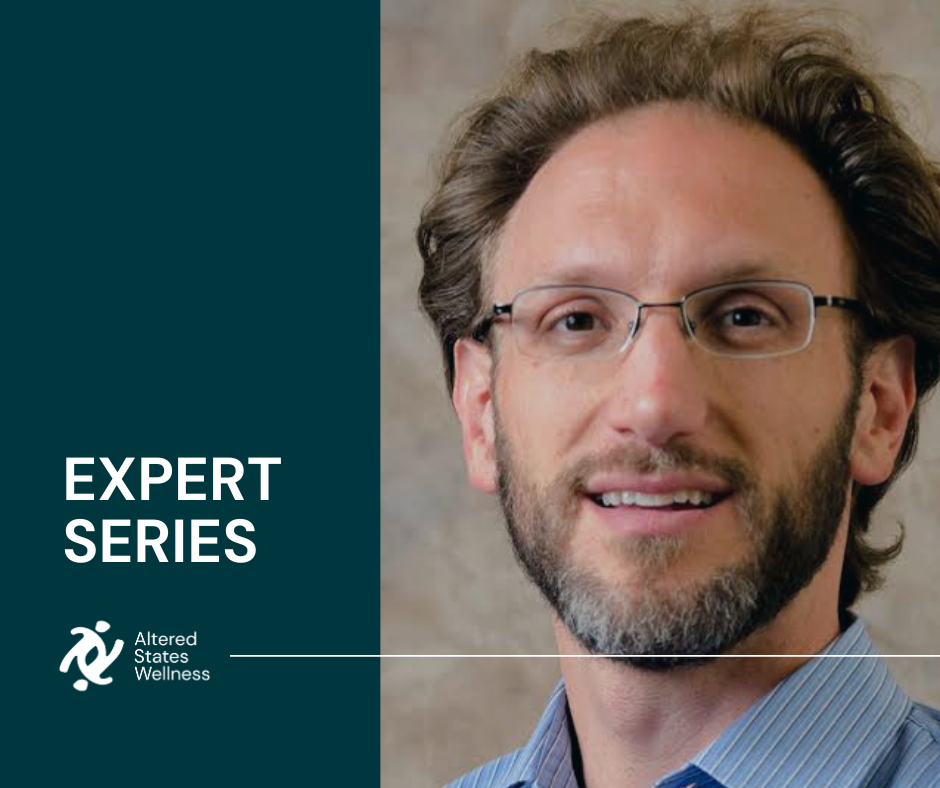
Dr. Justin Feinstein has spent his career asking that question. As a clinical neuropsychologist and founder of the Float Research Collective, he is one of the leading voices on how float therapy may affect the brain and body. His research explores how floating may influence the nervous system, feelings of fear and anxiety, and the sense of being overwhelmed or stuck, and his early findings have drawn wide interest.
In this episode, Kyle dives into Dr. Feinstein’s groundbreaking work and his vision of making float therapy a mainstream tool in mental health. You will also hear about his most recent initiative, the Maui Calm Project, where his team is offering floating to survivors of the Maui wildfires to study its role in processing trauma and building resilience.
Meet Dr. Justin Feinstein
With a PhD in clinical neuropsychology and a passion for blending neuroscience with real-world well-being, Dr. Feinstein has led some of the most important studies on floating. His work explores how the brain’s fear centers respond in the tank, whether floating may lower activity in the stress response system, and whether it could one day play a role in care for anxiety, PTSD, and trauma.
Through the Float Research Collective, he is building one of the largest bodies of research on floating to date, work that may shape how the field thinks about floating and mental health.
What We Covered in the Episode
Kyle and Dr. Feinstein explore:
- Why Dr. Feinstein believes floating may be an underused tool worth studying in mental health
- What early research is finding about feelings of anxiety, fear, and stress after floating
- The inspiration behind the Maui Calm Project and the impact it is already having
- Where Dr. Feinstein sees floating heading in the next five to ten years within healthcare
Why This Conversation Matters
Float therapy is not a passing trend. It is being actively studied, it is practical, and many people find it transformative. This conversation will open your eyes to how much researchers are exploring, from everyday stress relief to supporting resilience in the aftermath of disaster.
At Altered States Wellness, we believe everyone deserves to experience this kind of relief and restoration. If you are curious about what floating can do for your own mind and body, book a float session with us and see firsthand why it is becoming one of the most powerful wellness tools of our time.
Links Mentioned in this Episode:
- Float Research Collective
- Follow the Maui Calm Project
- Franchise Opportunities: Own Your Own Altered States Wellness Studio!
- Book a Session Today!
Subscribe & Review in iTunes
Are you subscribed to our podcast? If you’re not, we want to encourage you to do that today. We don’t want you to miss out on valuable information that can help you grow your business. Click here to subscribe on iTunes!
Now if you’re feeling extra nice today, we would be really grateful if you left us a review over on iTunes, too. Those reviews help other people find our podcast and they’re also fun for us to go in and read. Just click here to review, select “Ratings and Reviews" and “Write a Review" and let me know what your favorite part of the podcast is. Thank you!
*We are not medical professionals, and the information provided in this blog and podcast is for informational purposes only. Wellness practices mentioned should not be used as a substitute for professional medical advice, diagnosis, or treatment. Always consult with your doctor or a qualified healthcare provider if you have any questions about your health.


