
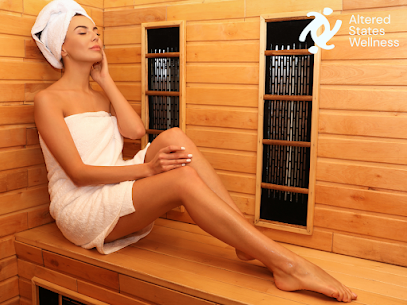
Breath is the thread that connects the body and mind. In a sauna, that connection becomes even more important. As temperatures rise and your internal rhythm adjusts, your breathing sets the tone for how deeply you can relax, release tension, and stay present.
Understanding how to breathe properly in a sauna not only supports comfort—it also enhances the entire experience. Whether you're new to heat therapy or familiar with the quiet clarity that comes with regular sauna use, refining your breathing technique can make your sessions more restorative and enjoyable.
At Altered States Wellness, our sauna experiences in [your location(s)] are designed to support both physical and mental renewal. Every detail—from room temperature to air circulation—is selected to promote comfort, and learning how to breathe well within that environment will help you get the most from each visit.
Why Sauna Breathing Matters
Most people don’t think twice about their breath until they’re inside a sauna. The air feels heavier, warmer, and more intense. That shift can prompt shallow breathing, which puts unnecessary stress on the body and takes away from the meditative potential of the space.
Intentional breathing creates a sense of ease. It helps regulate body temperature, prevents lightheadedness, and supports relaxation by activating the parasympathetic nervous system. When you breathe mindfully, the sauna becomes less about enduring heat and more about gently letting go.
Breathing also helps pace the experience. Instead of watching the clock, you can anchor yourself through slow inhales and longer exhales, allowing the minutes to unfold naturally.
Breathing also helps pace the experience. Instead of watching the clock, you can anchor yourself through slow inhales and longer exhales, allowing the minutes to unfold naturally. This can be especially helpful for first-time users or anyone looking to deepen their heat therapy practice.
The Initial Adjustment: Entering the Sauna Mindfully
Stepping into a sauna is a sensory shift. The contrast between cooler air outside and the warmth inside can be jarring at first. This is when breath awareness becomes your anchor.
Start by pausing just inside the door. Let your body adjust to the temperature without rushing to sit down. Begin breathing through your nose, slowly and gently. If the air feels too hot on your nostrils or lips, purse your lips slightly or try breathing through a loosely open mouth until you feel more comfortable.
Your first few minutes should be about settling in—not pushing yourself. Let your breath move through the heat at its own pace. Sit upright or recline, but avoid slouching, as compressed posture can restrict airflow. Keep your shoulders soft and your jaw unclenched.
Nasal Breathing vs. Mouth Breathing in a Sauna
Whenever possible, nasal breathing is preferred. The nose filters, humidifies, and cools the air before it enters your lungs. This becomes especially helpful in a heated space like a sauna, where dry or intense air can irritate your throat if inhaled too quickly.
Nasal breathing also supports deeper diaphragmatic movement, allowing you to use the full capacity of your lungs. This can prevent that breathless, anxious feeling that sometimes arises when people rely on shallow chest breathing during a sauna session.
However, if the air feels too hot or stifling, it's okay to temporarily breathe through your mouth. Try to return to nasal breathing once you feel more acclimated. The goal isn’t perfection—it’s awareness and comfort.
Breath Techniques That Pair Well with Sauna Use
There’s no need to force complicated breathing exercises, but gentle techniques can help you relax more fully.
Box Breathing
This method involves inhaling for four counts, holding for four, exhaling for four, and holding again for four. It creates a rhythm that calms the nervous system and builds focus. In a sauna, you may want to adjust the counts to suit your comfort level. Start with 3-second intervals if the air feels too thick.
Extended Exhales
Lengthening your exhale helps trigger a relaxation response. Try inhaling for 4 seconds and exhaling for 6 or 8. This slows your heart rate and helps you settle deeper into the heat. If you feel lightheaded, reduce the duration or return to normal breathing.
Silent Awareness Breathing
Simply pay attention to each breath without changing it. Feel the air move in and out. Let it be soft and unforced. This practice invites a meditative stillness that can be very grounding in the warm silence of a sauna.

Avoid anything too forceful or stimulating, like rapid breathing (as in Wim Hof-style techniques), unless you are experienced and under guidance. In most cases, keeping your breath calm and even is more supportive inside a heated room.
How the Sauna Environment Affects Breathing
Not all saunas are created equal. Infrared saunas, for example, warm the body more than the air, which can feel gentler on the respiratory system. Traditional Finnish saunas use dry heat that may feel intense but doesn’t typically carry heavy steam. On the other hand, steam rooms or high-humidity saunas may create a more challenging environment for those sensitive to moisture-laden air.
Ventilation matters, too. Proper airflow prevents the space from becoming stuffy and helps keep oxygen levels comfortable. At Altered States Wellness, our saunas are calibrated to maintain a soothing, breathable atmosphere so that your lungs aren’t fighting against the room.
If you ever feel that the air is too intense, leave the sauna briefly, hydrate, and return only when your breath feels steady again.
When to Take a Break
Pay attention to your breath as a signal. If you notice that you're starting to pant, feel dizzy, or need to gasp for air, that’s your body asking for a pause.
Your breath should remain relaxed throughout your session. The moment it begins to feel strained, take that as a natural break point. Step outside, cool down, take a few sips of water, and breathe deeply in the open air.
There’s no benefit in staying longer if your body is struggling. The power of sauna therapy comes from consistency, not endurance.
Post-Sauna Breathing and Cool-Down
The transition after your session is just as important. When you exit the sauna, stay mindful of your breathing. Take a seat or move slowly as your heart rate returns to baseline.
Cooling down too quickly—like jumping into a cold shower—can cause your breath to tighten or become erratic. Take a few minutes to sit in a neutral-temperature space, breathe slowly, and let your system recalibrate. Then, if contrast therapy is part of your routine, ease into it with awareness.
Some people like to practice gentle breathwork during their cool-down period, especially if they’ve been holding emotional tension. This is a great time to reset, both physically and mentally.
Breathing Considerations for Different Needs
Everyone’s breath responds differently to heat. If you have respiratory sensitivities like asthma or allergies, shorter sessions with more frequent breaks might be best. Those with anxiety may find slower, guided breathwork helpful to stay centered. And people newer to sauna use should always listen closely to their own breath rhythm rather than copying what others are doing.
There’s no “right” way to breathe in a sauna, but there is a supportive way. One that keeps you grounded, aware, and in flow with the warmth around you.
Breathing in a sauna isn't about controlling or forcing the body. It's about partnering with it. By keeping your breath soft, steady, and attentive, you allow the experience to unfold in a way that supports both relaxation and clarity.
Whether you're sitting in the infrared glow at our Altered States Wellness location in [City Name] or enjoying your own heat therapy practice at home, let breath be your quiet guide. The more connected you are to your inhale and exhale, the deeper the benefits of the sauna become—not just for your body, but for your state of mind.


