
Cold exposure has moved from elite athlete routines into everyday wellness rituals, and for good reason. A brief encounter with cold water can feel like a reset button for the nervous system, offering a moment of clarity, alertness, and grounded presence. Two of the most popular approaches are ice baths and cold showers. Each has its own rhythm, intensity, and appeal.
Many wellness studios, including Altered States Wellness, offer guided cold exposure experiences as part of contrast therapy circuits, pairing cold immersion with heat to amplify the overall experience. Still, at-home options like a quick cold shower remain accessible and refreshing for those building a personal routine.
Understanding the differences between these two methods helps you choose what aligns best with your goals, lifestyle, and comfort level.
Understanding Cold Exposure and Its Effects
Cold exposure activates the body in a unique way. A sudden drop in temperature stimulates the nervous system, encouraging deeper breathing and heightened awareness. Blood vessels constrict, circulation shifts, and the body begins working to maintain its internal balance. Many people report feeling more awake, focused, and energized shortly after.
Regular exposure to cold water may support resilience over time. The experience teaches the body to adapt to stress in a controlled setting, which can carry over into daily life. Mental clarity, improved mood, and a stronger connection to breath are commonly noted benefits.
Intensity plays a major role in how the body responds. Ice baths deliver a more dramatic experience, while cold showers offer a gentler introduction that can still be effective when practiced consistently.
What Is an Ice Bath?
An ice bath involves immersing the body in very cold water, often between 10 to 15°C (50 to 59°F), sometimes even lower depending on the setup. Ice is added to maintain a consistent chill, and sessions usually last anywhere from 2 to 10 minutes.
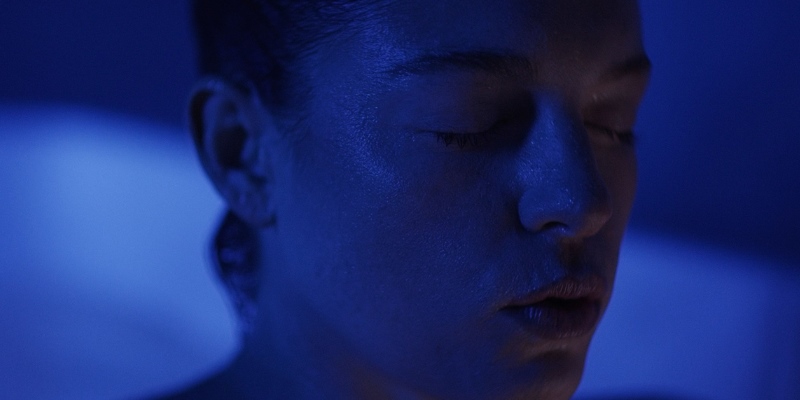
The intensity of an ice bath creates a full-body response. Muscles, joints, and the nervous system are all engaged at once. Many athletes use ice baths after training sessions as part of their recovery routines, while wellness seekers often turn to them for the mental challenge and sense of accomplishment.
Sitting still in freezing water requires controlled breathing and focus. The initial shock tends to pass within the first minute, followed by a steady, almost meditative state for those who stay present with the experience.
The Experience of Full Immersion
Entering an ice bath can feel overwhelming at first. The body reacts instantly, and breathing may become rapid. Slowing the breath becomes essential. Over time, this process becomes more familiar, allowing the mind to settle even in discomfort.
Full immersion means that most of the body is exposed at once, which amplifies the effect. This is where ice baths differ significantly from showers. The uniform cold creates a deeper physical and mental response.
Consistency helps build tolerance. Regular practitioners often find that what once felt extreme becomes manageable, even enjoyable.
What Is a Cold Shower?
A cold shower involves standing under running cold water, usually adjusted to the coldest setting available. Temperatures vary depending on location and season, but the experience is generally less intense than an ice bath.
Cold showers are more accessible. No preparation is needed beyond turning the dial. Sessions can last from 30 seconds to several minutes, making them easy to integrate into daily routines.
Rather than full immersion, water flows over the body, creating a fluctuating sensation. This can feel more manageable, especially for beginners.
A Gentle Entry Into Cold Exposure
Cold showers offer a practical starting point for anyone curious about cold therapy. The ability to adjust the temperature or step out at any moment adds a sense of control.
Many people begin with contrast showers, alternating between warm and cold water. This approach allows the body to adapt gradually, making the transition smoother.
Even short bursts of cold water can leave a noticeable effect. A quick rinse at the end of a warm shower can shift mood and energy levels without requiring a major time commitment.
Key Differences Between Ice Baths and Cold Showers
The most obvious difference lies in intensity. Ice baths provide a concentrated, full-body cold exposure that can feel immersive and demanding. Cold showers deliver a milder, more adjustable experience that still stimulates the body but with less intensity.
Duration also varies. Ice baths are typically shorter due to their intensity, while cold showers can be extended or shortened based on comfort and time.
Accessibility is another key factor. Ice baths require preparation, space, and sometimes specialized equipment. Cold showers are available to nearly anyone with a standard bathroom setup.
The mental aspect differs as well. Ice baths often feel like a deliberate practice, requiring intention and focus. Cold showers can be integrated into existing routines with less disruption.
Benefits You Might Notice Over Time
Cold exposure is less about dramatic, immediate change and more about consistent, subtle shifts. Many individuals report improved alertness, a refreshed state of mind, and a sense of resilience.
Ice baths may feel more impactful for those seeking a strong physical reset. The immersive nature can create a deep sense of calm after the initial intensity passes.
Cold showers tend to support daily consistency. They can help establish a morning or evening ritual that signals a transition, whether starting the day or winding down.
Some people find that cold exposure encourages better breathing habits. Slowing the breath during discomfort can carry into other areas of life, promoting a calmer response to stress.
Which One Is Right for You?
Choosing between an ice bath and a cold shower depends on your goals and comfort level.
Ice baths may appeal to those who enjoy structured practices and are looking for a more intense experience. They can feel rewarding for individuals who like pushing boundaries in a controlled way.
Cold showers are ideal for those seeking simplicity and consistency. They fit easily into daily routines and offer flexibility without the need for preparation.
Lifestyle plays a role as well. Busy schedules may favor quick cold showers, while dedicated wellness time might allow for a more immersive ice bath session.
Listening to your body matters. Some days may call for a brief, refreshing shower, while others may invite a deeper, more focused immersion.
Building a Safe and Enjoyable Practice
Approaching cold exposure with awareness makes the experience more enjoyable and sustainable. Start gradually, especially if you are new to cold water. Short sessions help the body adapt without unnecessary stress. Talk with your doctor before adding a new wellness practice, especially if you are managing a health condition.
Breathing remains central. Slow, steady breaths help regulate the body’s response and create a sense of control. Rushing or forcing the experience often leads to discomfort that could be avoided.
Warming up naturally afterward supports balance. Gentle movement or wrapping in warm clothing allows the body to return to its normal state without shock.
Consistency matters more than intensity. A short daily cold shower can be more effective over time than occasional extreme sessions.
A Balanced Approach to Cold Therapy
Ice baths and cold showers both offer valuable pathways into cold exposure. Each method serves a different purpose, and neither is inherently better than the other. The right choice depends on how you want to feel and how the practice fits into your life.
Some people even combine both. Cold showers during the week create consistency, while occasional ice baths provide a deeper experience when time allows.
A sense of curiosity helps keep the practice enjoyable. Exploring how your body responds to different temperatures, durations, and routines can turn cold exposure into a meaningful part of your wellness journey.
The cold has a way of bringing you back to the present moment. Whether through a quick shower or a full ice bath, that moment of awareness can be one of the most valuable aspects of the experience.


