
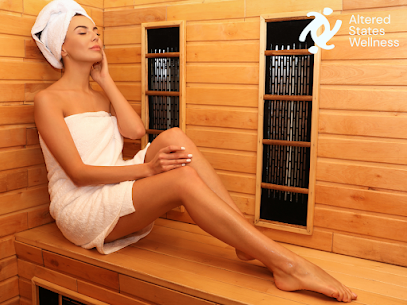
Infrared sauna sessions offer a gentle heat that encourages deep relaxation, steady unwinding, and a renewed sense of clarity. Many guests at Altered States Wellness enjoy pairing their infrared session with other restorative therapies, and one question comes up again and again: What is the ideal temperature for an infrared sauna?
This guide explores temperature ranges, how they influence comfort levels, and ways to personalize each session so the body can settle into a calm, steady rhythm. The goal is to help readers understand how temperature choices shape the overall experience without leaning into medical territory.
Understanding Infrared Sauna Heat and How It Differs from Traditional Saunas
Infrared saunas warm the body gently from within. The panels create radiant heat that reaches tissues more directly. Traditional saunas warm the surrounding air first. The difference often surprises newcomers because infrared heat feels more manageable and soothing compared to the heavy, dense heat of a conventional sauna.
Humidity levels remain low in an infrared sauna, so users notice an easier breathing environment. The warmth encourages slow settling, helping people stretch out tension and quiet the nervous system. The absence of oppressive heat allows a longer session without overwhelming the senses.
Temperature becomes a key part of this experience. The right temperature range helps the body adjust slowly rather than rushing into intensity. People who choose infrared saunas often appreciate the ability to customize settings in a way that feels nearly meditative.
Ideal Temperature Range for Infrared Sauna Sessions
Most experts in sauna wellness align around a temperature range of 110 to 135 degrees Fahrenheit for infrared saunas. This window provides gentle warmth that gradually builds without pushing the body into discomfort.
Each temperature step creates a slightly different sensation. Settings closer to 110 degrees offer a softer introduction that suits beginners or anyone seeking a calm, low intensity experience. Temperatures closer to 135 degrees create a more vigorous warmth that seasoned users often enjoy.
These ranges are not one size fits all. People respond differently to heat, personal comfort levels vary, and each session can feel different depending on hydration, rest, and stress levels. What matters most is tuning into the body and adjusting settings to match the desired outcome. That flexibility is one of the reasons infrared saunas appeal to so many wellness seekers.
How to Choose the Best Temperature for Your Experience
Settling on an infrared sauna temperature becomes easier when considering familiarity, preferred intensity, and the purpose of the session. Beginners tend to appreciate a gentle introduction. A temperature between 110 and 120 degrees gives the body time to adapt and respond without strain. These early sessions help explore how the heat interacts with breathing, muscle comfort, and overall relaxation.
As comfort grows, many users gradually experiment with higher temperatures. Settings between 125 and 135 degrees create a deeper warmth that supports a more active sweat response. People often describe these temperatures as steady and invigorating rather than overwhelming.
Preferences shift from session to session. Someone who slept poorly might choose a lower temperature to avoid taxing the body. Someone seeking a more energetic release might prefer the higher end of the spectrum. The goal is to allow temperature to support the session rather than dominate it.
Duration and Temperature: How They Work Together
Temperature and time complement each other. A lower temperature often pairs well with a longer session, creating an unhurried experience that encourages quiet, steady rest. A higher temperature creates a more concentrated session where the body warms quickly.
Most people spend 20 to 40 minutes in an infrared sauna. A shorter session at a moderate temperature can feel refreshing and manageable on a busy day. A longer session at a lower temperature creates space for deep relaxation without rushing the process. Both approaches can be equally fulfilling.
Hydration plays a significant role in duration planning. A well hydrated body adjusts more comfortably to warm environments. People who prepareby drinking water before and after their session often report smoother overall experiences.
Body Awareness and Temperature Sensitivity
Everyone brings a different relationship with heat into the sauna. Some people prefer gentle warmth and steady breathing. Others thrive in more intense environments where deeper heat encourages a more vigorous response. Understanding personal cues helps guide temperature choices.
.jpg)
Reading the body slowly becomes second nature. Signs of comfort include loose breathing, relaxed muscles, and a peaceful mind. If the heat begins to feel distracting or heavy, adjusting the temperature downward can restore balance. The goal is always comfort and relaxation rather than endurance.
Seasonal changes influence sensitivity as well. Cooler weather sometimes encourages warmer settings due to the body craving deeper heat. Hotter seasons might call for lighter sessions with more subtle warmth.
Benefits of Staying Within Recommended Temperature Ranges
Infrared sauna sessions feel more enjoyable and approachable when temperatures stay within recommended ranges. These ranges support a consistent environment that encourages gentle unwinding without placing unnecessary strain on the body.
Balanced heat supports steady circulation, softening of tension, and a feeling of deep release. People often leave sessions reporting clarity, calm, and a sense of being grounded. Staying within recommended temperatures also creates a predictable, safe environment that feels inviting to both newcomers and experienced users.
When settings stay within the 110 to 135 degree window, sessions remain accessible. This supports regular use, which many people find beneficial for their overall sense of wellness.
Tips for Creating a Comfortable Infrared Sauna Session
Preparing for an infrared sauna session makes the temperature feel more supportive and enjoyable. Drinking water beforehand ensures a smoother experience. Wearing light, breathable clothing or a towel keeps the body comfortable as heat builds gradually.
The atmosphere of the sauna also plays a meaningful role. Soft lighting, calm music, or quiet stillness help create a nurturing environment. These small choices deepen the soothing effect of the heat.
Post session care matters as well. Allowing the body to cool naturally encourages a gentle return to normal temperature. Many people enjoy a warm shower to extend the feeling of release, while others prefer a cool rinse to refresh the senses.
When To Adjust Temperature or Session Style
Certain signs indicate that a temperature adjustment could improve the experience. If the heat begins to feel distracting rather than calming, lowering the temperature brings comfort back to the session. If the session feels too mild and the body is seeking a deeper warm up, raising the temperature slightly may feel more fulfilling.
Life circumstances also influence session choices. Stressful days may call for a lighter, longer session to encourage grounding and relaxation. Active days might support a shorter, warmer session that feels energizing and cleansing. Flexibility keeps the practice enjoyable and sustainable.
Creating a Personal Infrared Sauna Routine
A personal sauna routine evolves over time based on temperature preferences, duration comfort, and the emotional or energetic needs of the moment. Consistency helps the body adapt to the regular sensation of heat, making each session smoother and more familiar.
Some people prefer morning sessions for a gentle start that clears the mind. Others find evening sessions more supportive because the warmth encourages the body to let go of tension before sleep. Temperature plays a part in these rhythms. Cooler sessions often suit evenings, while warmer sessions can feel invigorating at the start of the day.
Listening to the body shapes this routine naturally. The more familiar the experience becomes, the easier it is to create a temperature profile that aligns with personal wellbeing goals.
Infrared sauna sessions offer a comforting and steady way to reconnect with the body. The ideal temperature is not a fixed number but a range that supports relaxation, safety, and personal preference. A setting between 110 and 135 degrees offers gentle, consistent warmth that encourages rest and renewal.
When approached with awareness and intention, infrared sauna time becomes a grounding ritual that supports overall wellness in a calm, meaningful way.


