
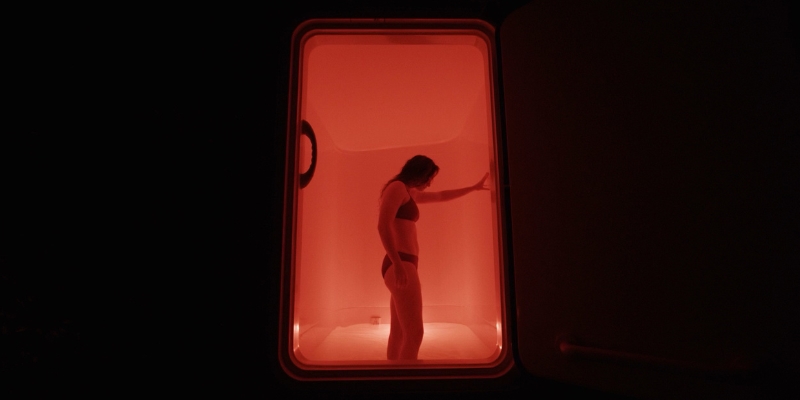
Sauna bathing has become part of many modern wellness routines, valued for its ability to encourage relaxation, warmth, and a sense of physical reset. Questions often arise around timing, especially for people new to sauna use or those with busy schedules. Ten minutes can feel brief when compared to traditional sauna sessions that last much longer, yet short exposures continue to gain attention for their practicality and comfort.
Early conversations around sauna use at Altered States Wellness often touch on this exact topic, particularly from guests curious about how to begin safely and comfortably. A short session can feel more approachable while still delivering meaningful experiences for the body and mind.
Understanding How Sauna Exposure Works
Heat exposure places gentle stress on the body. Skin temperature rises, blood vessels expand, and the nervous system shifts toward a calmer state once the session ends. Sweat production increases as the body works to regulate internal temperature, and this process alone can feel refreshing for many people.
Ten minutes introduces the body to these effects without pushing it toward discomfort. Heat adaptation varies widely between individuals, influenced by hydration, prior sauna experience, and overall sensitivity to warmth. Short sessions often feel manageable for beginners while still providing noticeable sensations of relaxation and loosened muscles.
Longer sessions tend to intensify these responses, yet duration does not automatically translate to better results. The body responds to heat in stages, and many of the initial responses occur early in a session.
What Happens During the First Ten Minutes
The opening minutes inside a sauna tend to set the tone for the entire experience. Heart rate begins to increase modestly, circulation shifts toward the skin, and the nervous system responds to the warmth by reducing tension.
Sweat glands activate quickly for many people, particularly in infrared saunas where heat penetrates more directly into tissues. Muscles often feel less tight during this phase, which can support gentle stretching or quiet rest afterward. Breathing typically slows as the body adjusts, creating a calm rhythm that supports mental relaxation.
Ten minutes captures this introductory phase without pushing the body toward fatigue or overheating. For people sensitive to heat or returning after a long break, this window can feel ideal.
Sauna Type Matters When Timing Is Considered
Different sauna styles influence how effective a ten minute session feels. Traditional saunas rely on high ambient temperatures, often reaching levels that feel intense within just a few minutes. Infrared saunas operate at lower air temperatures while delivering radiant heat directly to the body.
A ten minute session in a traditional sauna can feel similar to a longer session in an infrared sauna due to the higher heat intensity. Comfort plays a major role here. Feeling overwhelmed by heat can shorten sessions naturally, while gentle warmth invites longer stays.
Personal preference and physical response matter more than following a single timing rule. Paying attention to how the body feels during and after each session offers better guidance than chasing a specific number of minutes.
Can Ten Minutes Support Relaxation and Stress Relief
Relaxation often begins sooner than expected inside a sauna. Heat encourages the release of muscle tension and supports a shift toward parasympathetic nervous system activity once the session ends. Many people report feeling mentally lighter and physically calmer after short exposures.
Ten minutes provides enough time for breathing to slow and for mental chatter to soften. A sense of stillness often follows, especially when sauna use is paired with quiet rest or hydration afterward. These calming effects do not require extended exposure, making shorter sessions attractive for stress management.
Regular short sessions may also feel more sustainable for people juggling work, family, and fitness routines. Consistency often supports better long term habits than occasional lengthy sessions.
Physical Sensations and Circulation Changes
Circulation responds quickly to heat. Blood vessels near the skin expand, creating a warm, flushed feeling. Muscles receive increased blood flow, which many people associate with reduced stiffness and improved comfort.

Ten minutes allows these changes to occur without placing excessive demand on the cardiovascular system. This balance suits people easing into sauna use or those who prefer gentler experiences. The sensation of warmth lingering after the session can feel soothing rather than draining.
Hydration remains essential, even during short sessions. Drinking water before and after helps support natural cooling processes and overall comfort.
Is Ten Minutes Enough for Recovery Support
Athletes and active individuals often use sauna bathing as part of recovery routines. Heat exposure encourages relaxation and may support a sense of physical ease after workouts. Ten minutes can feel sufficient when paired with stretching, mobility work, or calm breathing.
Recovery experiences vary widely. Some people prefer short sauna sessions after intense training, while others enjoy longer stays on rest days. The key lies in how refreshed or fatigued the body feels afterward. Feeling energized rather than depleted signals appropriate timing.
Listening to physical cues helps guide session length more effectively than rigid guidelines.
Frequency Versus Duration
Short sessions performed regularly often provide more value than occasional extended sessions. Ten minutes several times per week introduces repeated heat exposure without overwhelming the system. This approach fits well into consistent wellness routines.
The body adapts gradually to heat, and comfort typically improves with repeated exposure. Starting with ten minutes allows that adaptation to unfold naturally. Session length can always increase later if desired.
Wellness practices tend to thrive when they feel accessible and enjoyable. Short sauna sessions remove barriers that sometimes prevent people from returning.
When Longer Sessions May Feel Better
Some individuals enjoy longer sauna sessions once comfort and tolerance increase. Extended exposure can deepen relaxation and amplify sweating responses. These experiences often appeal to seasoned sauna users who understand their limits.
Longer sessions require careful attention to hydration, temperature, and personal comfort. Breaks and cool down periods become more important as duration increases. Ten minutes remains a valuable option even for experienced users on days when energy feels lower.
Flexibility allows sauna use to align with daily needs rather than strict routines.
Signs Ten Minutes Is the Right Amount
Feeling calm, lightly sweaty, and clear headed after a session suggests appropriate timing. The body should feel warm but not drained. Light relaxation and improved comfort often follow.
Warning signs like dizziness, excessive fatigue, or discomfort signal that adjustments are needed. Shortening sessions or lowering temperature supports a safer, more pleasant experience.
Ten minutes often strikes a balance between benefit and comfort, especially for beginners or those returning after time away.
Building a Sauna Practice That Feels Sustainable
Wellness routines succeed when they respect individual rhythms. Ten minute sauna sessions offer a gentle entry point that encourages consistency and enjoyment. Heat exposure does not need to feel extreme to feel valuable.
Pairing sauna use with quiet reflection, hydration, or gentle stretching can extend the sense of calm beyond the session itself. Over time, personal preferences around timing often become clear through experience rather than instruction.
Sauna bathing remains a personal practice shaped by comfort, intention, and attention to the body’s signals.
Final Thoughts
Ten minutes in a sauna can absolutely be enough for many people. Short sessions introduce warmth, relaxation, and circulation changes without overwhelming the body. Comfort and consistency often matter more than duration.
Sauna use works best when guided by personal awareness rather than comparison. Short exposures create space for relaxation, recovery, and routine building, all of which support long term wellness habits.


