
.jpg)
Interest in non-invasive wellness technologies continues to grow as people search for ways to support healthy skin without aggressive procedures. Red light therapy has become one of the most talked-about options in modern wellness spaces. Spas, wellness studios, and recovery centers now include red light therapy rooms designed to help clients support skin vitality, circulation, and overall recovery.
Many wellness centers, including services offered at Altered States Wellness, incorporate red light therapy as part of a broader recovery and self-care experience. Sessions are typically paired with other restorative practices that support relaxation and skin health from multiple angles.
Red light therapy is not a medical treatment for cellulite or skin laxity. Many people explore it as a supportive wellness practice that may help encourage natural skin processes associated with firmness, circulation, and tissue appearance. Understanding how the technology works helps set realistic expectations and allows individuals to decide whether it fits their personal wellness routine.
Understanding Red Light Therapy
Red light therapy uses specific wavelengths of visible red and near-infrared light that interact with the skin and underlying tissues. These wavelengths are commonly delivered through LED panels, light beds, or targeted handheld devices.
Skin cells absorb this light energy through structures called mitochondria, often referred to as the energy centers of the cell. Exposure to certain wavelengths may support cellular activity that is already occurring naturally in the body. Researchers continue to study how this interaction may influence circulation, skin texture, and cellular energy.
Many users describe red light therapy as gentle and relaxing. The light produces warmth rather than heat, and sessions usually last between 10 and 20 minutes depending on the equipment used. No needles, chemicals, or invasive steps are involved.
Interest in the technology originally grew within sports recovery and physical therapy environments. Athletes began using light therapy to support muscle recovery and circulation. Skin wellness applications later gained attention as research explored how light exposure may interact with collagen activity and skin appearance.
Regular sessions are typically recommended when individuals want to explore cosmetic wellness benefits. Changes related to skin texture and firmness tend to occur gradually since the body requires time to renew tissue and maintain structural proteins.
Skin Structure and Why Firmness Changes Over Time
Skin firmness relies heavily on two structural proteins: collagen and elastin. These proteins create a supportive network within the dermis, the deeper layer of the skin. Collagen provides strength and density, while elastin allows skin to stretch and return to its original shape.
Age, environmental stressors, and lifestyle habits can influence the rate at which collagen naturally declines. Sun exposure, smoking, dehydration, and chronic stress can also affect skin resilience.
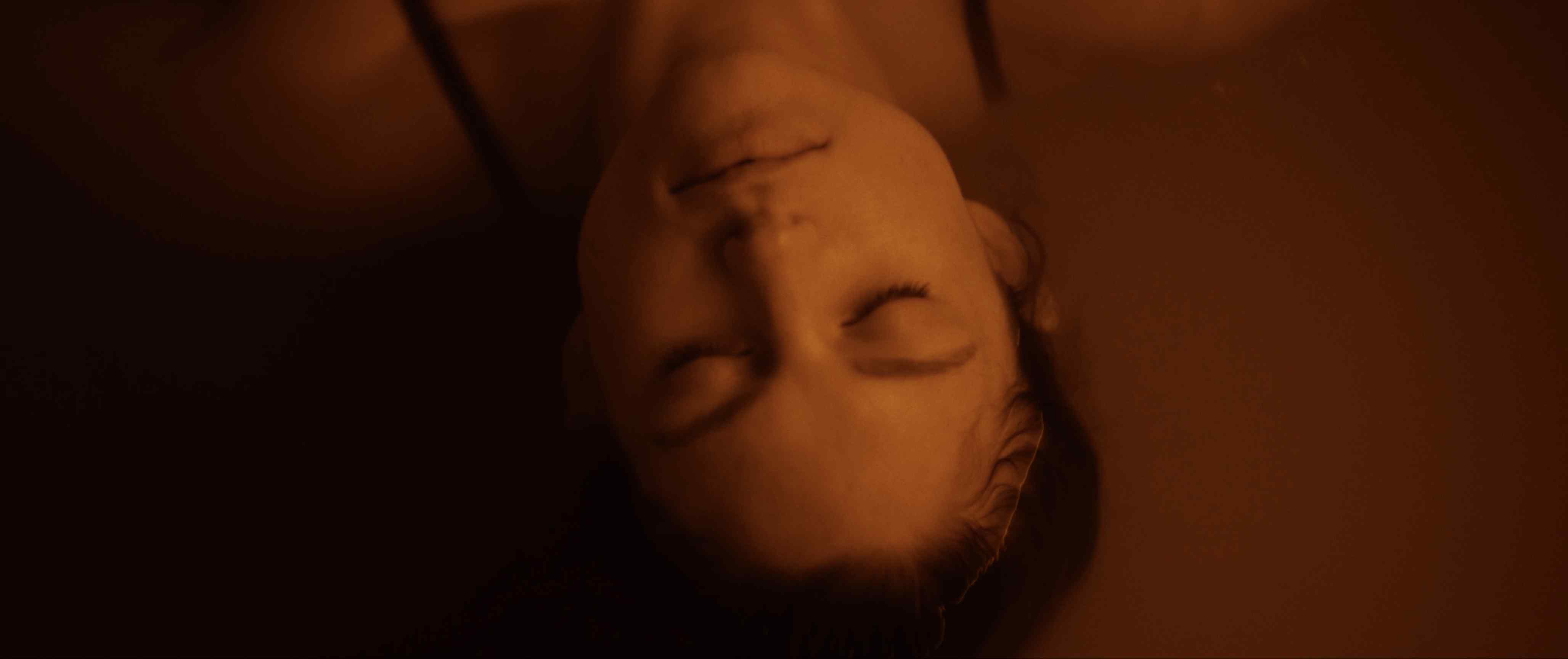
Gradual thinning of collagen fibers may lead to changes in skin texture and elasticity. Areas like the thighs, abdomen, and upper arms tend to show these changes more noticeably since gravity and fat distribution play a role as well.
Wellness strategies that support skin health often focus on circulation, nutrient delivery, and cellular activity. Balanced nutrition, hydration, movement, and sleep are essential foundations. Non-invasive technologies such as red light therapy are sometimes added as complementary tools within this broader approach.
How Red Light Therapy May Support Skin Tightening
Red light wavelengths have been studied for their potential interaction with fibroblasts, the cells responsible for producing collagen and elastin. Increased cellular energy may support the normal activity of these cells.
Skin renewal is a gradual process. Collagen fibers form slowly and strengthen over time. Consistent exposure to red light may encourage conditions that support this natural rebuilding process.
Users often report subtle improvements in skin tone, smoothness, and overall radiance after several weeks of regular sessions. Light therapy does not physically tighten skin in the way surgical procedures do. Any visible changes come from the body’s own natural processes, and results vary from person to person.
Another factor often discussed in research is microcirculation. Some studies suggest red light exposure may encourage blood flow in the targeted area. Healthy circulation helps deliver oxygen and nutrients to skin cells while supporting waste removal.
Improved circulation can contribute to skin that appears more vibrant and evenly toned. Skin may also feel smoother as hydration and nutrient delivery improve within the dermal layers.
Consistency tends to matter more than intensity. Short, repeated sessions across several weeks or months allow the skin to respond gradually without stress.
Understanding Cellulite and Its Appearance
Cellulite is extremely common and affects people of many body types. It appears as dimpling or uneven texture on the skin, most commonly on the thighs, hips, and buttocks.
Connective tissue beneath the skin plays a large role in cellulite formation. Fat cells sit between bands of connective tissue that anchor the skin to deeper layers. When fat pushes upward against these bands, the surface can develop a dimpled appearance.
Hormones, genetics, circulation, and connective tissue structure all influence how noticeable cellulite becomes. Body fat percentage alone does not determine whether someone develops cellulite. Many individuals with lean physiques experience it as well.
Lifestyle factors such as movement, hydration, and circulation also influence how cellulite appears. Reduced circulation may contribute to fluid retention and changes in tissue texture.
Red light therapy does not remove cellulite permanently. Many guests enjoy it as a relaxing ritual and say their skin looks smoother and more even with regular sessions.
Red Light Therapy and the Look of Cellulite
Many people add red light to their routine because they love how their skin looks and feels with consistency.
Some research suggests red light may support healthy circulation, which helps tissues receive oxygen and nutrients. Many people say their skin looks healthier and more evenly toned with consistent sessions.
Researchers are still exploring how red light interacts with the deeper layers of skin, and findings so far are early and mixed. Results remain variable and should be approached with realistic expectations.
Collagen support may also contribute to smoother skin texture. When the dermal layer becomes slightly stronger and more resilient, the skin above it may appear more even.
Many wellness users report that red light therapy helps create a softer, smoother skin surface when sessions are combined with movement, hydration, and supportive nutrition.
Results typically appear gradually and vary widely from person to person.
What a Typical Red Light Therapy Session Feels Like
Most sessions take place in a quiet room with LED panels or full-body light beds. Clients wear minimal clothing or protective garments depending on the area they want to focus on.
Soft red light surrounds the body while the person relaxes for the duration of the session. The experience often feels similar to resting in gentle sunlight without the ultraviolet exposure associated with tanning.
No downtime follows the session. Many individuals return to daily activities immediately afterward.
Some people choose to schedule sessions several times per week when focusing on skin appearance goals. Wellness professionals often recommend consistency over long periods rather than sporadic use.
Hydration, movement, and skin care routines may also influence how the skin responds to light therapy.
Supporting Skin Wellness Beyond Light Therapy
Red light therapy works best when used as part of a balanced wellness lifestyle. Skin health reflects what happens internally as much as externally.
Hydration supports cellular function and helps maintain skin elasticity. Adequate water intake assists circulation and tissue health.
Nutrient-dense foods supply vitamins and minerals that support collagen production. Vitamin C, zinc, and amino acids play roles in maintaining healthy connective tissue.
Strength training and regular movement support circulation and muscle tone. Muscle activity encourages blood flow through the skin and surrounding tissues.
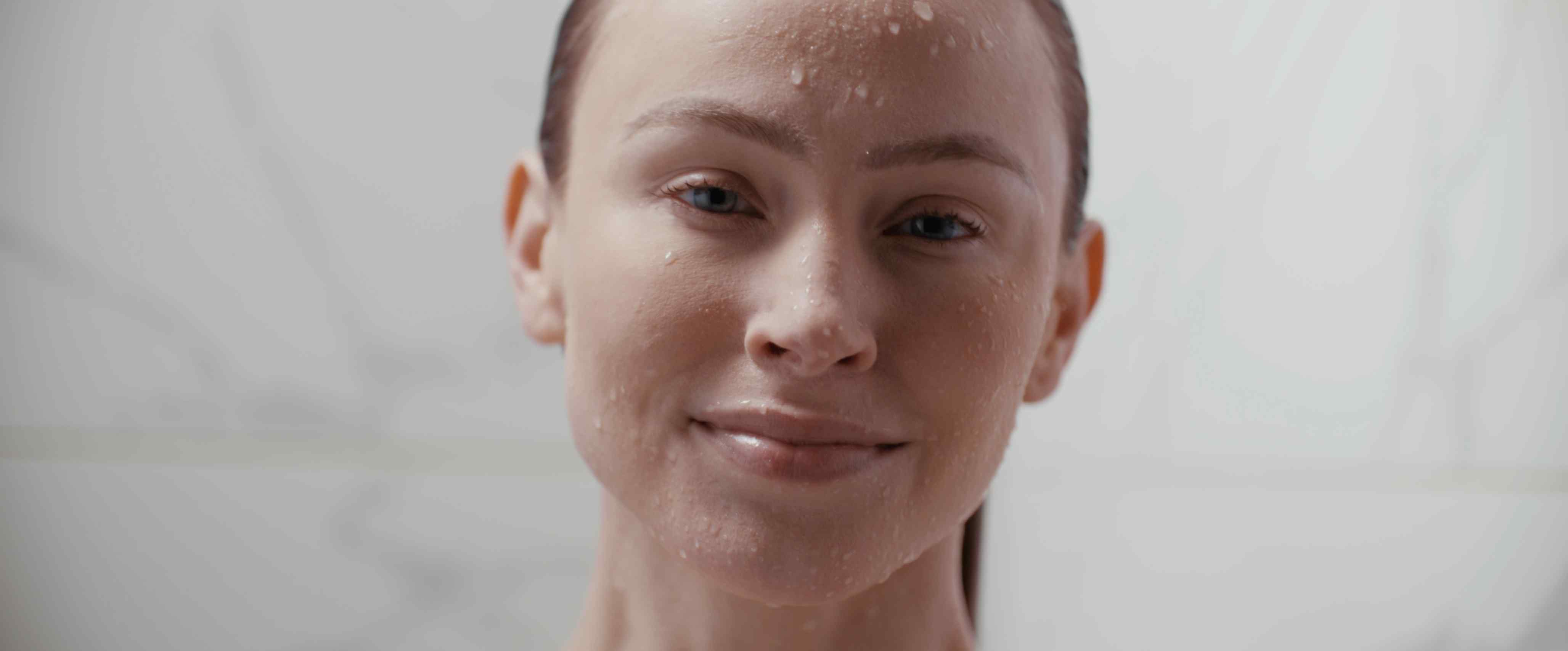
Sleep quality also influences skin repair. Skin cells regenerate most actively during restful sleep cycles.
Stress management practices such as breathwork, meditation, and float therapy may indirectly support skin vitality by promoting relaxation and a calmer sense of well-being.
Red light therapy fits naturally into this type of wellness routine since it complements practices that support the body’s own regenerative processes.
Realistic Expectations and Consistency
Many wellness technologies gain attention quickly due to visible results shared on social media. Skin physiology moves at a slower pace than most trends suggest.
Skin renewal requires patience. Individuals who notice changes from red light therapy usually do so after several weeks or months of consistent use.
Some people notice improved skin glow or softness within a few sessions. Changes related to firmness and texture tend to develop gradually as the skin renews itself.
Expectations should remain realistic. Red light therapy may support healthy-looking skin but does not replace medical treatments or cosmetic procedures designed to reshape tissues.
Our studio team can help you choose a session frequency and focus areas that fit your personal goals.
The Growing Role of Light Therapy in Modern Wellness
Red light therapy continues to gain attention in wellness spaces that focus on gentle, non-invasive practices. Many recovery studios and health centers now include light therapy alongside experiences like sauna, float therapy, and contrast therapy. These practices are often used to support relaxation and a sense of overall skin vitality.
Ongoing research continues to explore how different wavelengths interact with human tissue. Many people add red light therapy to their routine as a simple way to support healthier-looking skin while enjoying a quiet moment of restoration.
This article is for general educational purposes only and is not medical advice. Please talk with your healthcare provider before starting any new wellness practice, especially if you are pregnant or managing a health condition.


