
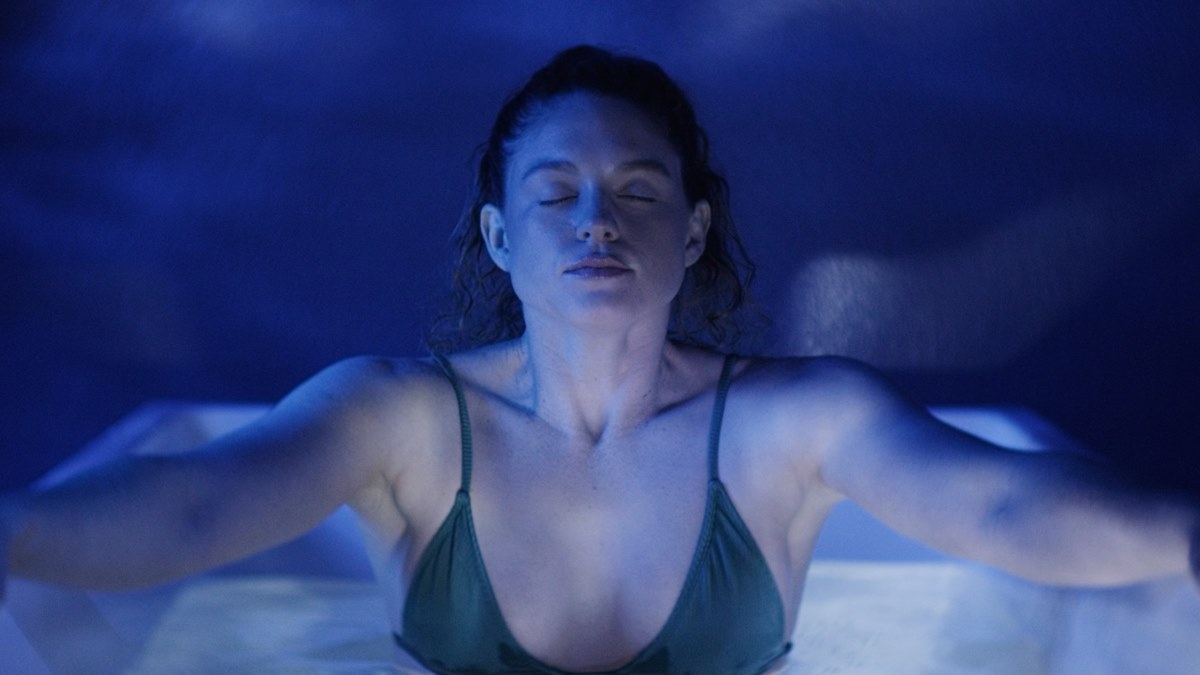
Cold plunging has earned a steady place in modern wellness routines, yet the experience does not end when you step out of the cold. Many people are discovering that sauna after cold plunge creates a more balanced and rewarding ritual, one that feels grounding rather than abrupt. This pairing is often called contrast therapy, yet the deeper value lies in how heat and cold guide the nervous system, circulation, and mental state back toward equilibrium.
At Altered States Wellness, contrast therapy is offered as a guided experience for those who want to explore cold and heat in a supportive environment, though this article focuses on education rather than promotion. The goal here is to help you understand how sauna use after cold exposure fits into a thoughtful wellness practice, what the body experiences during the transition, and how to approach the sequence with intention.
Understanding the Cold Plunge Response
Cold plunging places the body in a short-term stress state. Skin temperature drops quickly, blood vessels near the surface constrict, and breathing naturally becomes sharper and more alert. This reaction is part of the body’s protective design, not a flaw to overcome. Cold signals the nervous system to wake up, sharpen focus, and conserve warmth by moving blood inward.
During the plunge, many people notice mental clarity paired with physical tension. Muscles tighten, the jaw clenches, and breath control becomes essential. These sensations are not indicators of harm when exposure remains brief and intentional. They show how strongly the nervous system responds to cold.
Once the plunge ends, the body begins its return toward balance. Blood vessels gradually reopen, warmth starts to spread back through the skin, and the nervous system looks for cues that the stressor has passed. Sauna use after cold plunge can serve as that signal, offering warmth that supports relaxation and circulation without rushing the recovery process.
Why Sauna Complements Cold Exposure
Heat changes the direction of blood flow and nervous system activity in a very different way than cold. Warmth encourages blood vessels to expand, muscles to soften, and breathing to slow. The shift feels noticeable, often within minutes of stepping into the sauna.
Sauna after cold plunge creates a gentle wave effect inside the body. Cold contracts, heat expands, and together they guide circulation through a fuller range of motion. This rhythmic change often leaves people feeling loose, calm, and mentally clear rather than overstimulated or fatigued.
Many wellness practitioners view this sequence as a way to complete the cold experience rather than intensify it. Cold alone can feel sharp or unfinished for some individuals. Heat provides a sense of closure, helping the body register safety and comfort after the initial stress.
What Happens Inside the Body During the Transition
Moving from cold plunge to sauna sets off a series of internal adjustments that feel subtle yet powerful. Blood that moved inward during cold exposure begins to circulate back toward the skin. Muscles that tightened for protection start to release. Breathing patterns naturally slow as warmth replaces the need for alertness.
The nervous system also shifts gears. Cold exposure tends to stimulate alert, sympathetic activity. Sauna time encourages parasympathetic signaling, which supports rest, digestion, and emotional regulation. This contrast does not cancel out the benefits of cold. It helps the body absorb them without lingering tension.
Many people describe a calm clarity during sauna sessions after cold plunging. Thoughts settle, physical awareness increases, and a sense of grounded presence emerges. This state often feels different from sauna use alone, as the body has already been awakened by cold.
Sauna After Cold Plunge and Circulation Awareness
Circulation plays a central role in why sauna after cold plunge feels so restorative. Cold constricts surface blood vessels, limiting flow to the skin. Heat reverses that process, allowing blood to move outward again. This expansion can feel like a wave of warmth traveling through the limbs.
This movement supports tissue nourishment and gentle waste removal without making claims tied to medical outcomes. Many people report feeling lighter and more fluid after the sequence, particularly in joints and muscles that felt tight before.
The sensation of circulation returning also encourages body awareness. Time spent noticing warmth spreading through the hands, feet, and back can turn sauna sessions into a form of mindfulness rather than a passive activity.
Timing and Sequence Considerations
Sauna after cold plunge works best when transitions remain unhurried. Stepping into heat immediately after cold is common, yet a brief pause can help the body adjust. Drying off, slowing the breath, and allowing heart rate to settle can make the sauna experience more comfortable.
Sauna duration varies depending on experience level and personal tolerance. Some people prefer short heat sessions of five to ten minutes, while others stay longer. Comfort matters more than endurance. Heat should feel soothing, not overwhelming.
Repeating the cycle is a personal choice. Some individuals enjoy multiple rounds of cold followed by heat, while others prefer a single cold plunge followed by an extended sauna session. Listening to bodily cues keeps the practice supportive rather than draining.
The Role of Breath and Presence
Breath awareness often becomes more natural during sauna use after cold plunge. Cold exposure demands controlled breathing, which tends to carry over into the sauna. Warmth then allows those steady breaths to deepen and slow.
This shift creates an ideal space for presence. Attention moves inward, distractions fade, and the mind settles into a quieter rhythm. Sauna heat amplifies this effect by reducing physical tension and encouraging stillness.
Many people find that the mental clarity experienced during sauna after cold plunge extends beyond the session. A sense of calm focus can linger throughout the day, supporting thoughtful decision-making and emotional balance.
Hydration and Comfort Practices
Heat exposure increases perspiration, making hydration an essential part of sauna after cold plunge routines. Drinking water before and after sessions supports comfort and awareness without making exaggerated claims.
Light stretching inside the sauna can feel beneficial for some individuals. Movements should remain gentle, allowing warmth to assist flexibility rather than forcing range of motion. Sitting or lying comfortably also works well, especially for those new to heat exposure.
Clothing choices matter too. Breathable towels or minimal attire help the body regulate temperature naturally. Comfort encourages longer, more enjoyable sessions without distraction.
Who May Benefit From Sauna After Cold Plunge
Athletes, busy professionals, and wellness enthusiasts often gravitate toward sauna after cold plunge for different reasons. Physical training creates muscle tension that responds well to alternating cold and heat. Mental stress benefits from the nervous system shift that this sequence encourages.
People seeking relaxation without sedation often appreciate how sauna after cold plunge delivers calm alertness. Energy remains steady rather than heavy or sluggish. This balance makes the practice suitable for morning or evening routines, depending on personal preference.
Individual responses vary, and personal experimentation within safe limits remains important. Wellness practices work best when tailored rather than copied exactly from others.
Creating a Sustainable Contrast Therapy Routine
Sustainability matters more than intensity. Sauna after cold plunge should feel inviting enough to repeat regularly. Short, consistent sessions often provide more satisfaction than infrequent extremes.
Scheduling contrast therapy during times when the body already seeks recovery can enhance the experience. Post-workout or after mentally demanding days often works well. Weekends may allow for longer, more exploratory sessions.
Environment also influences sustainability. Quiet spaces, soft lighting, and supportive guidance help the body relax fully. Facilities designed with intentional flow between cold and heat make transitions feel natural rather than rushed.
Closing Thoughts
Sauna after cold plunge offers more than temperature contrast. It provides a conversation between alertness and relaxation, effort and ease. Cold wakes the body up, heat invites it to settle, and together they create a rhythm that many people find deeply nourishing.
Approached with respect and awareness, this practice can become a meaningful part of a modern wellness lifestyle. The key lies in listening closely, moving slowly between extremes, and allowing the body to guide the experience rather than forcing outcomes.
Sauna after cold plunge remains a personal journey. Each session teaches something new about comfort, resilience, and balance, making the practice as much about self-awareness as physical sensation.


