
.jpg)
Modern wellness often revolves around stimulation. Screens, noise, deadlines, traffic, and constant information keep the nervous system active throughout the day. Many people crave something very different: deep stillness. Floatation therapy offers that rare experience.
A float session takes place in a specially designed tank or pod filled with warm water and a high concentration of Epsom salt. The salt allows the body to float effortlessly on the surface while the environment remains quiet, dim, and calm. The water temperature is typically set close to skin temperature, which reduces sensory input and helps the body settle into a state of weightless relaxation.
Float therapy has gained attention in wellness communities, sports recovery programs, and stress management practices. Many wellness centers, including places like Altered States Wellness, offer float sessions alongside experiences like red light therapy and contrast therapy as part of a recovery and relaxation routine.
Interest continues to grow as people seek experiences that restore balance to both body and mind. Floatation therapy offers a unique environment that encourages deep relaxation, mental clarity, and physical ease.
What Is Floatation Therapy?
Floatation therapy, often called sensory deprivation or REST therapy (Restricted Environmental Stimulation Therapy), involves floating in water enriched with magnesium sulfate, commonly known as Epsom salt. The high salt concentration allows the body to float effortlessly without swimming or holding any posture.
The tank environment is designed to reduce sensory input. Light is minimal or optional. Sound is muted or absent. The water temperature closely matches skin temperature, which makes it difficult to distinguish where the body ends and the water begins.
This environment creates a feeling of near weightlessness. Many people feel their muscles release tension as gravity’s usual pressure disappears. The nervous system often shifts toward a calmer state when external stimuli fade away.
Float sessions typically last between 60 and 90 minutes. Many people describe the experience as deeply relaxing, sometimes comparable to meditation or a restorative nap.
Deep Physical Relaxation
Float therapy creates conditions that allow the body to rest in a way that rarely happens during everyday life.
Gravity places constant pressure on joints, muscles, and connective tissues. Standing, sitting, walking, and even lying down all involve subtle effort from the body. Floating removes much of that pressure. The body rests on the water's surface with minimal muscular engagement.
Muscles can gradually soften during a session. Many people notice reduced tightness in areas like the neck, shoulders, and lower back. Athletes often explore float therapy as part of recovery routines since the experience encourages rest after intense activity.

Magnesium in the water also attracts interest in wellness discussions. Epsom salt contains magnesium sulfate, and magnesium plays a role in many biological processes related to muscle function and relaxation. Float sessions expose the skin to magnesium-rich water, which contributes to the overall soothing nature of the experience.
The combination of buoyancy, warmth, and stillness helps the body enter a deeply relaxed state that many people find difficult to achieve in traditional settings.
Mental Calm and Stress Relief
Daily life places constant demands on attention. Notifications, conversations, travel, and responsibilities create continuous stimulation. The brain rarely receives a break from processing information.
Float therapy introduces a dramatically quieter environment. Sensory input decreases, which allows the mind to slow down. Many people report a sense of mental spaciousness during a session.
A calm environment often encourages the nervous system to move away from a heightened stress response. Breathing may slow naturally. Thoughts may become less cluttered.
Some people use float sessions as a mental reset after intense work periods or emotional stress. The stillness of the tank allows attention to drift inward without interruption.
Meditation practitioners sometimes find floating helpful as well. The absence of external distractions can support longer periods of mindful awareness or gentle mental rest.
Improved Sleep Patterns
Quality sleep remains one of the most important pillars of wellness. Stress, irregular schedules, and excessive screen exposure can interfere with natural sleep rhythms.
Float therapy creates conditions that mirror some aspects of pre-sleep relaxation. Warm water, quiet surroundings, and reduced stimulation encourage the body to settle into a calm state.
Many people schedule float sessions in the evening as part of a wind-down routine. Many guests say that deeply relaxed feeling makes it easier to drift into restful sleep later that night.
Some individuals describe feeling refreshed after a float session even without sleeping during the experience. The body and mind receive a break from constant stimulation, which can leave people feeling restored.
Many people find their sleep feels better when they regularly give themselves moments of genuine relaxation. Float therapy offers a structured environment designed for that purpose.
A Unique Environment for Meditation and Mindfulness
Meditation practices often begin with one simple goal: reducing distractions. The fewer external interruptions, the easier it becomes to observe thoughts and sensations.
Floatation tanks create a naturally quiet environment that supports this process. The body remains comfortably supported by the water, which reduces the need to adjust posture. Stillness becomes effortless.
Many people find that their mind wanders at the beginning of a session. Gradually, the quiet environment encourages deeper awareness.
Breathing patterns may become more noticeable. Subtle sensations become easier to observe.
Some float enthusiasts treat their sessions as meditation retreats in miniature. A single hour without phones, screens, or conversation can feel remarkably spacious.
Creative thinkers also explore float sessions as a time for reflection. Artists, writers, and entrepreneurs sometimes report fresh ideas emerging during periods of sensory quiet.
Support for Athletic Recovery
Athletes place considerable demands on their bodies. Training sessions create muscle fatigue, joint stress, and physical tension. Recovery practices help balance that cycle.
Float therapy appeals to athletes because it encourages rest while gently relieving physical pressure on the body. Floating allows muscles to relax without the compression that often accompanies lying on solid surfaces.
Many professional athletes have incorporated float sessions into their recovery routines. The experience offers a calm environment where the body can settle after training or competition.
Muscle soreness and fatigue often improve when the body receives adequate rest and relaxation. Float therapy creates a setting that supports this natural recovery process.
Even recreational athletes appreciate the feeling of weightlessness after long runs, cycling sessions, or strength training workouts.
Sensory Reset for an Overstimulated Mind
Modern environments bombard the senses with constant information. Bright lights, traffic noise, digital screens, and crowded spaces demand continuous attention.
Floatation therapy introduces the opposite experience. The tank environment softens sensory input to a minimum. Many people notice how unusual that quiet feels at first.
A sensory reset can feel deeply refreshing. The brain receives a break from the effort of processing external stimuli. Attention shifts toward internal awareness rather than outside activity.
Some float participants describe emerging from a session with heightened clarity. Colors may appear brighter. Sounds may feel more distinct. The nervous system feels recalibrated after extended quiet.
Moments of sensory rest are rare in modern life. Float therapy offers an intentional pause that allows the mind to settle.
Gentle Support for Emotional Balance
Emotional well-being often improves when the body and mind have space to slow down. Stressful environments can amplify feelings of tension or overwhelm.
Float therapy offers a calm setting where people can disconnect from daily pressures. The absence of noise, screens, and conversation encourages introspection.
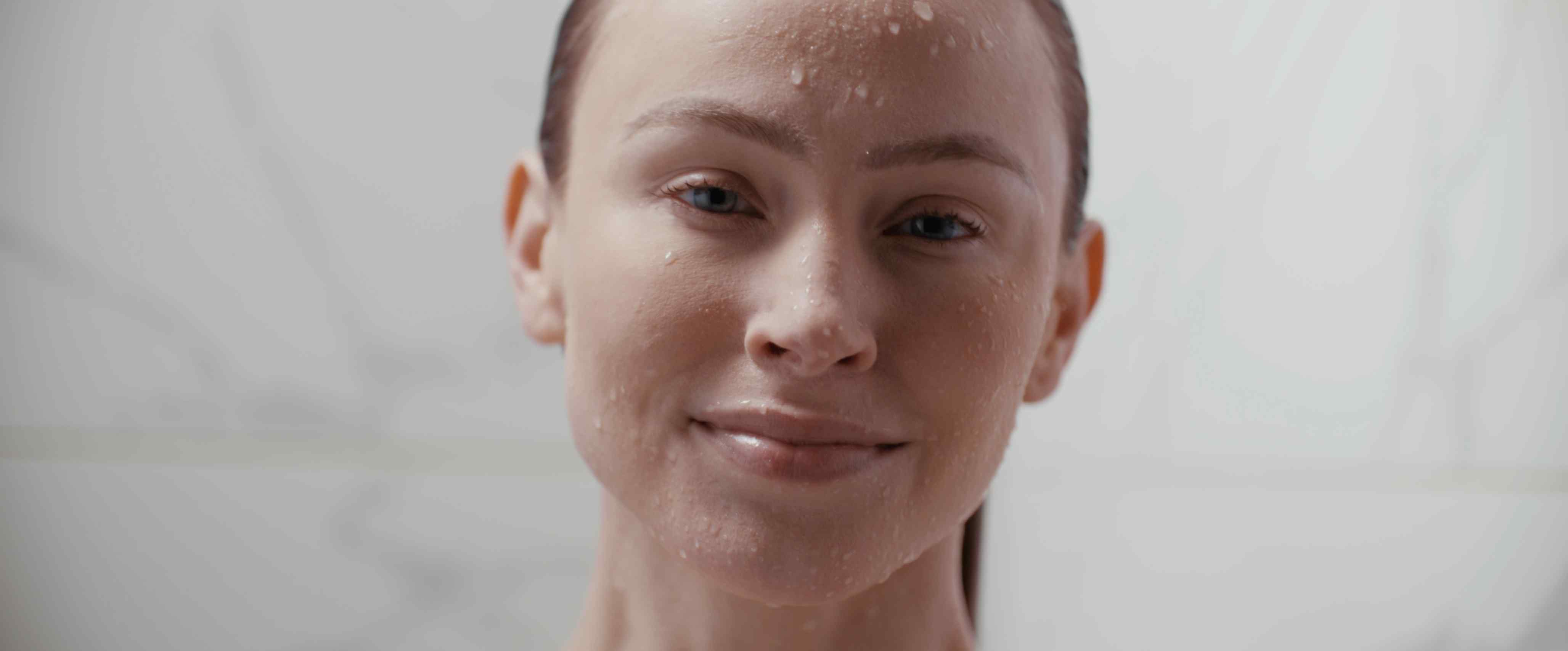
Many individuals use float sessions as personal reflection time. Thoughts and emotions may surface in a quieter environment. The water supports the body while the mind processes experiences without interruption.
The experience can feel grounding and restorative. A calm nervous system tends to support emotional balance and mental clarity.
This quality makes float therapy appealing to people seeking wellness practices that nurture both physical and mental health.
The Growing Popularity of Floatation Wellness
Floatation therapy has expanded rapidly during the past decade. Wellness centers across North America, Europe, and Australia have introduced float tanks as part of broader relaxation offerings.
Interest continues to rise among professionals, athletes, and people managing demanding schedules. Many individuals view float therapy as a practical way to create space for rest in a fast-paced world.
Scientific research on sensory reduction environments also continues to develop. Studies exploring REST therapy have examined areas such as stress reduction, relaxation response, and mood changes following float sessions. Research remains ongoing, yet the growing body of work has increased curiosity around this wellness practice.
Wellness culture increasingly values recovery and nervous system balance. Float therapy aligns with that shift toward restorative experiences.
What a First Float Session Feels Like
A first float session often begins with curiosity mixed with a bit of uncertainty. The experience becomes easier once participants understand what to expect.Most sessions begin with a shower before entering the tank. This step helps keep the water clean and prepares the body for relaxation.
After entering the pod, the body naturally rises to the water's surface thanks to the dense salt concentration.
Many float tanks allow users to choose complete darkness or soft lighting. Some play calming music for the first few minutes before fading into silence.
The body typically relaxes gradually during the first part of the session. Many people feel their muscles release tension as the buoyancy of the water takes pressure off joints and connective tissue.
Time can feel unusual inside the tank. Some people drift into a dreamlike state. Others remain awake but deeply relaxed.
The session ends with gentle lighting or music. Many float centers provide a quiet lounge area afterward so participants can reorient slowly before returning to daily activities.
Float Therapy as Part of a Balanced Wellness Routine
No single wellness practice addresses every aspect of health. Floatation therapy works best when integrated into a balanced lifestyle that includes movement, nourishing food, restorative sleep, and meaningful connection.
Regular float sessions can serve as a structured pause in the middle of busy schedules. Many people treat the experience as a reset that supports clarity, relaxation, and recovery.
A culture that values productivity often overlooks the importance of rest. Float therapy reminds the body that stillness plays an essential role in well-being.
The practice offers a rare environment where gravity softens, noise disappears, and the mind has space to breathe. That quiet space often becomes the most valuable benefit of all.


