

Modern life can leave you feeling sluggish, sore, and out of balance. Stress, poor sleep, and packed schedules all take a toll. Hot and cold therapy offers a simple, invigorating way to hit the reset button on how you feel. This practice has been used for centuries, and researchers continue to explore why so many people love it.
How Hot and Cold Therapy Works
Alternating between heat and cold is a popular way to relax tense muscles and feel invigorated. The key is contrast: heat causes blood vessels to widen, while cold causes them to narrow. Many people say this back-and-forth leaves them feeling refreshed and awake.
Here’s a closer look at how each temperature range influences the body:
Heat Therapy (Thermotherapy):
Warmth feels relaxing for muscles and soothing when you feel stiff. Many people find it helps them feel looser and more comfortable moving.
Cold Therapy (Cryotherapy):
Many people use cold after intense exercise because it feels refreshing on sore, tired muscles. Researchers are also studying how regular cold exposure may relate to brown fat and metabolism, though that research is still early.
By alternating between the two, many people find they enjoy the best of both without overdoing it in one direction.
Benefits of Hot and Cold Therapy
Soothes That Sore, Puffy Feeling
After a hard workout or a long day on your feet, many people reach for cold because it feels so soothing on tired, achy muscles. Some research has looked at how cold exposure affects the body’s response to strenuous exercise, and scientists are still learning.
Heat, on the other hand, feels relaxing and helps many people loosen up. Together, they create a balanced ritual that many people say soothes post-workout soreness.
Supports Muscle Recovery Routines
Athletes and active individuals often use contrast therapy as part of their recovery routine after workouts. Intense exercise can leave muscles feeling sore and fatigued. Some studies suggest contrast water therapy may help people feel less sore in the days after hard exercise, though results vary and more research is needed.
Helps You Feel Loose and Flexible
Feeling stiff can make movement feel difficult. Heat helps tight muscles feel relaxed, making it easier to move comfortably. Cold can feel soothing on areas that feel worked or overused. Together, many people find they feel looser and more limber. If you are managing a joint condition like arthritis, check with your doctor first.
Feel Energized and Invigorated
Your body loves movement. Many people find that alternating between heat and cold leaves them feeling energized and invigorated. This is why contrast bathing is a long-standing tradition in Nordic countries, where people move between saunas and cold water as part of everyday life.
If you struggle with feeling sluggish or puffy, many guests say a contrast session gives them a natural pick-me-up.
Builds Stress Resilience
Researchers are studying how cold and heat exposure affect the body, including heat shock proteins released during sauna use. This research is still developing, and we love following along.
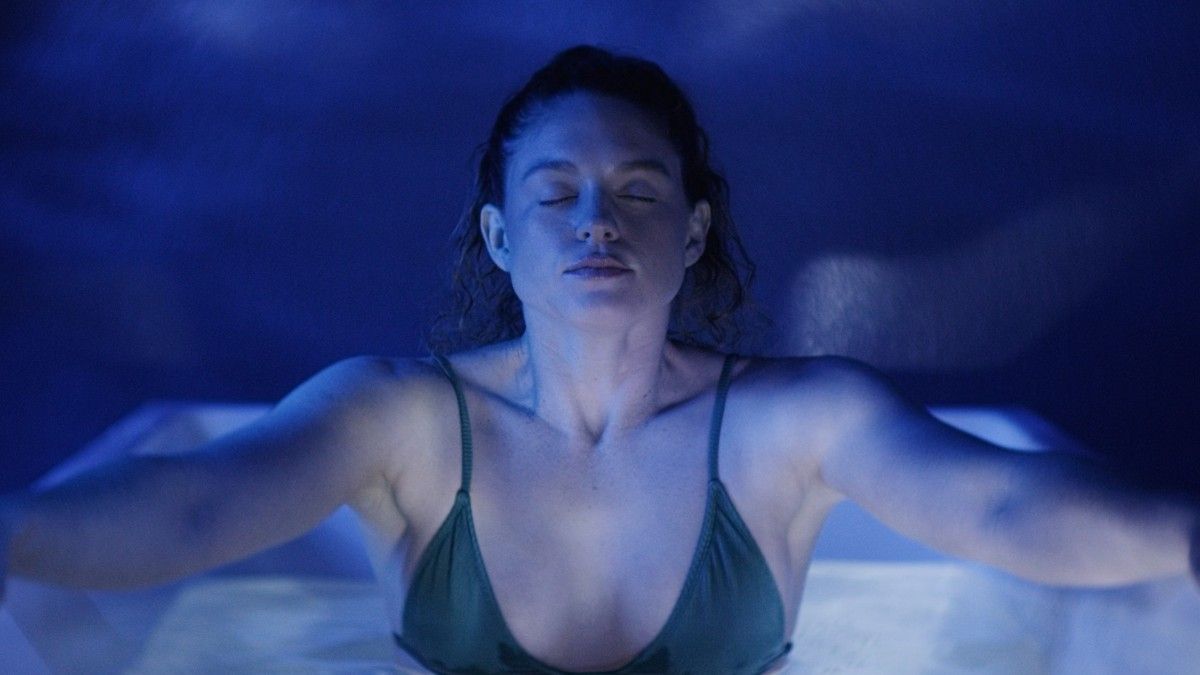
Many people also describe a mental shift from temperature contrast. Choosing short, intentional discomfort can help you practice staying calm under pressure, and many guests say it helps them feel more resilient when daily challenges show up.
Supports Better Rest and Relaxation
Many people find both hot and cold sessions calming. Heat helps the body relax and ease tension. Cold exposure, when done mindfully, can leave you feeling calm and centered, and many people say they sleep better on days they plunge.
Many guests say regular contrast sessions help them fall asleep more easily and wake up feeling refreshed.
How to Use Hot and Cold Therapy
Contrast Showers
A simple way to practice hot and cold therapy is by alternating water temperatures in the shower:
- Start with warm or hot water for 2 to 3 minutes to relax muscles.
- Switch to cold water for 30 to 60 seconds to feel refreshed and alert.
- Repeat this cycle 3-5 times, always ending with cold water.
This method is quick, simple, and accessible to many people.
Sauna and Cold Plunge
For a deeper experience, combine sauna sessions with cold plunges or ice baths. The heat from the sauna raises your heart rate and gets you sweating. A cold plunge immediately afterward cools the body down and leaves many people feeling refreshed and recharged.
- Spend 10-20 minutes in the sauna.
- Transition into a cold plunge or ice bath for 1-3 minutes.
- Repeat the cycle up to 3 times for maximum benefits.
Localized Therapy
If you’re dealing with a sore spot or area of tension, you can apply heat and cold directly:
- Use a heating pad or warm compress for 15-20 minutes.
- Follow with an ice pack for 5-10 minutes.
- Repeat as needed throughout the day.
This targeted approach is a popular way to soothe sore muscles and feel more comfortable after a long day. If you are dealing with an injury or frequent headaches, talk with your doctor.
Tips for Smart, Comfortable Use
- Always listen to your body. If you feel lightheaded or overly fatigued, shorten exposure times.
- Stay hydrated, as heat therapy increases sweating and fluid loss.
- Avoid extreme temperatures if you have cardiovascular conditions or are pregnant—consult a healthcare provider first.
- If using cold exposure, focus on controlled breathing to help you stay calm through the initial shock.
- For best results, make contrast therapy a regular part of your routine rather than an occasional practice.
The Bottom Line
Hot and cold therapy is more than just a recovery ritual. It’s a way to support your overall well-being. Many people use contrast sessions to unwind, feel energized, support their post-workout recovery routine, and build a sense of resilience against stress. Whether through contrast showers, saunas and cold plunges, or a warm compress and ice pack, this practice can be a refreshing part of your routine for both body and mind. Talk with your doctor before adding a new wellness practice, especially if you are managing a health condition.
Adding contrast therapy to your wellness routine can help you feel stronger, more energized, and ready to take on whatever life throws your way.


